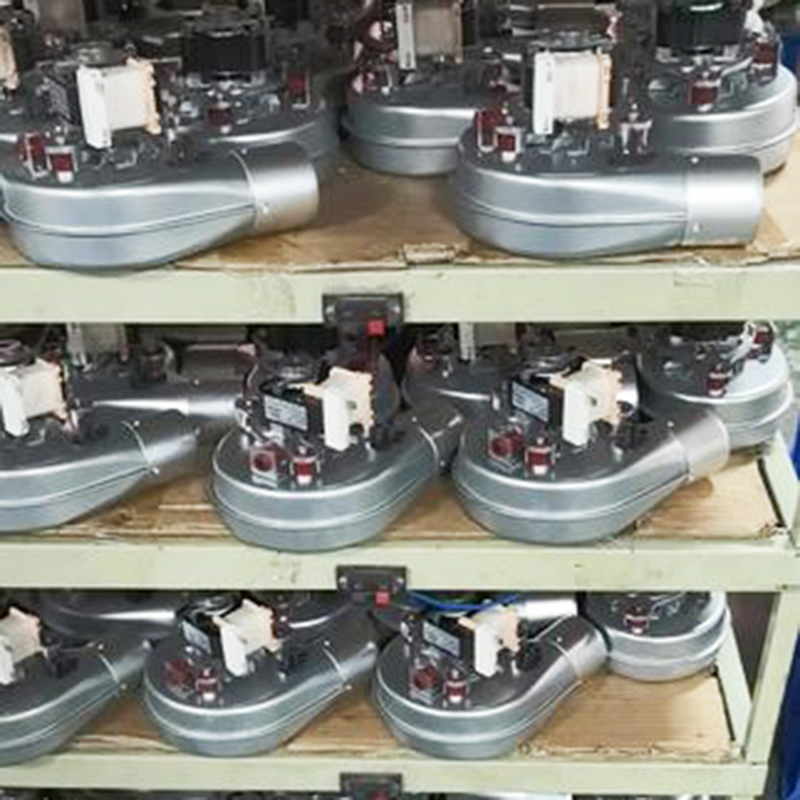

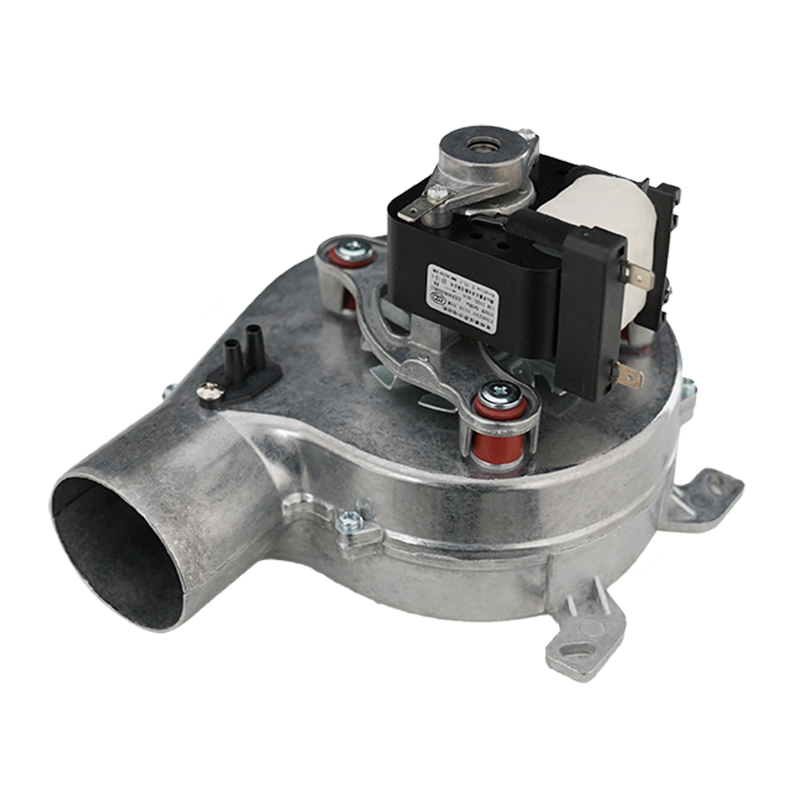
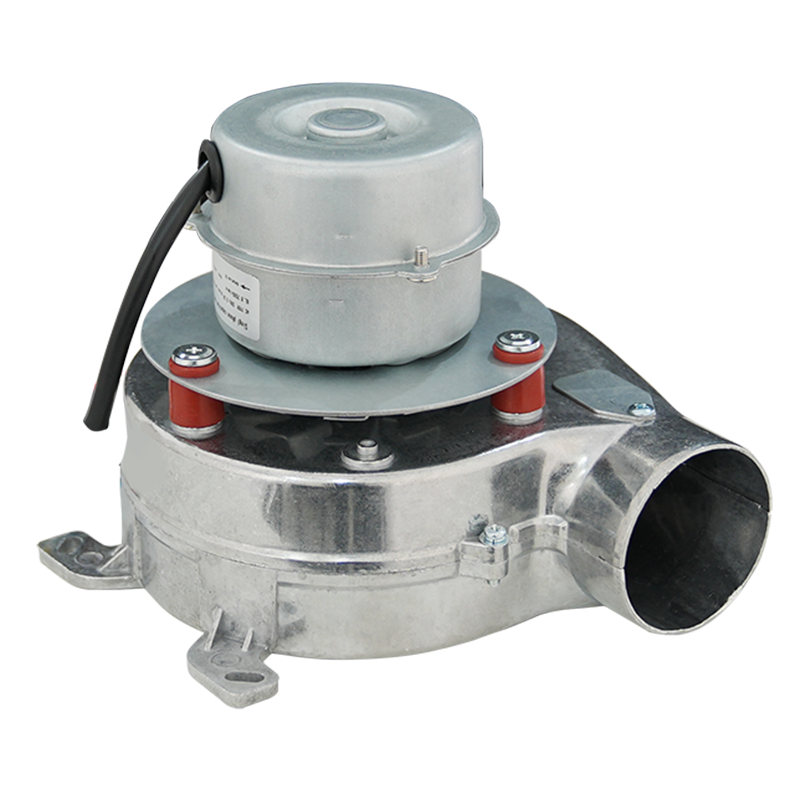
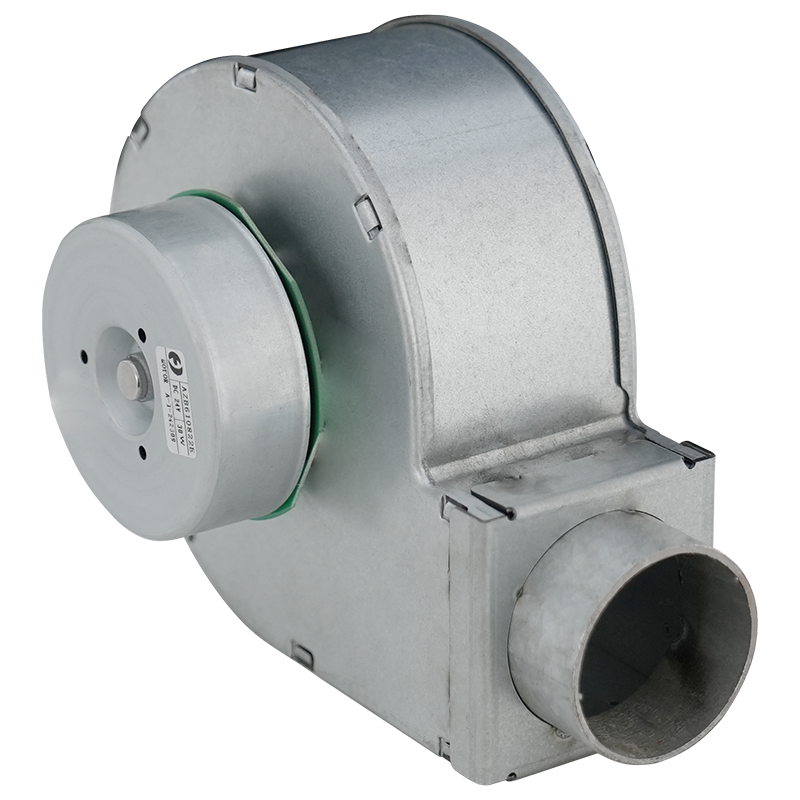
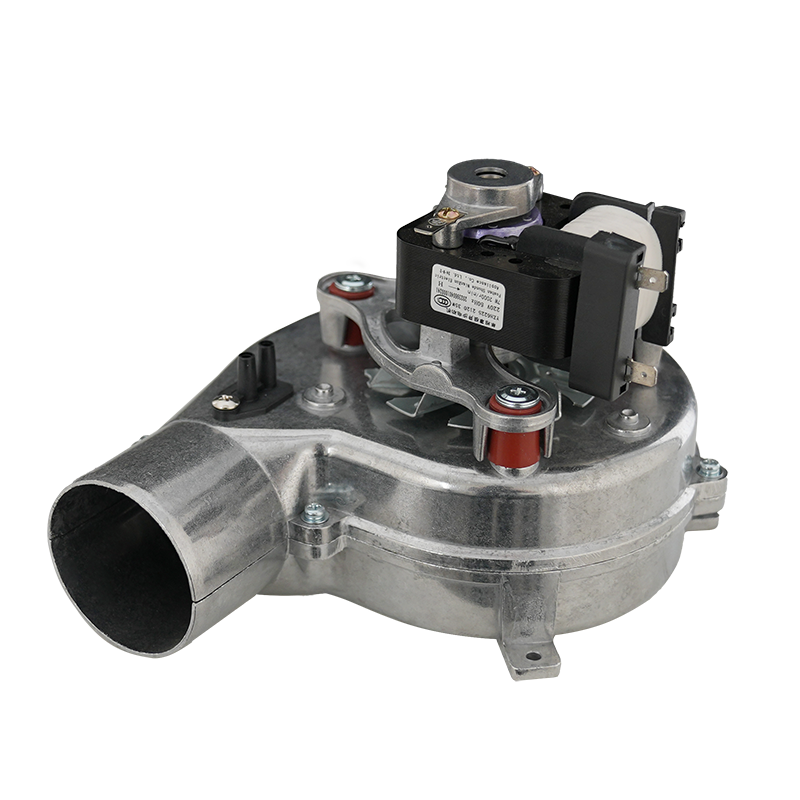
A faulty centrifugal blower fan on a wall-hung boiler may present with the following common symptoms and solutions:
Centrifugal blower fan symptoms:
Centrifugal blower fan not turning or running slowly: When the boiler starts, the normal operating sound of the blower fan cannot be heard, or the blower fan rotates noticeably slowly and weakly.
Centrifugal blower fan abnormal noise: The blower fan emits abnormal sounds such as sharp, friction, or impact noises during operation, which may be due to impeller jamming, bearing wear, or loose internal components.
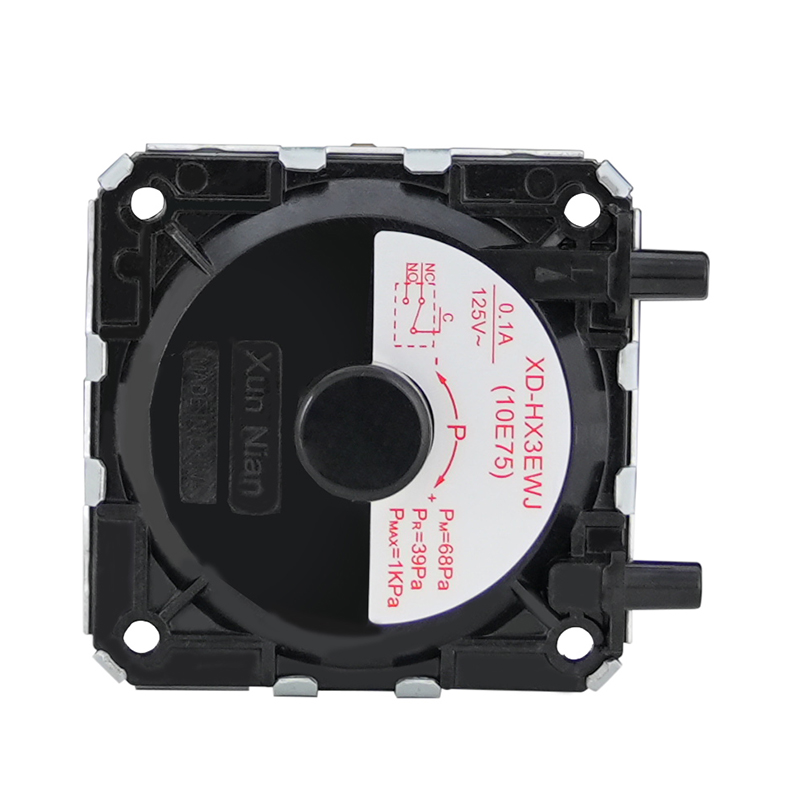
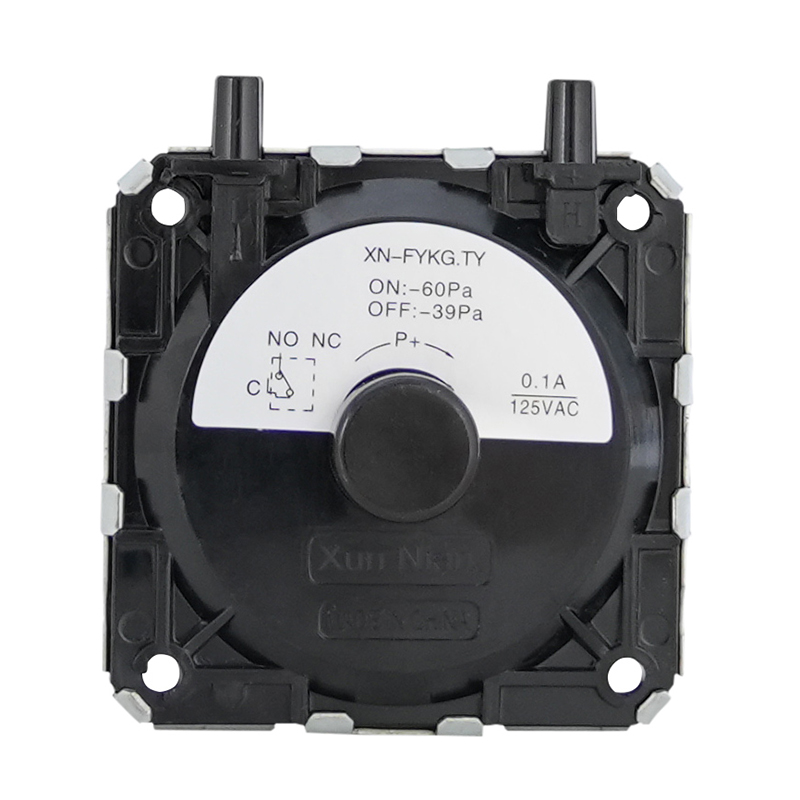
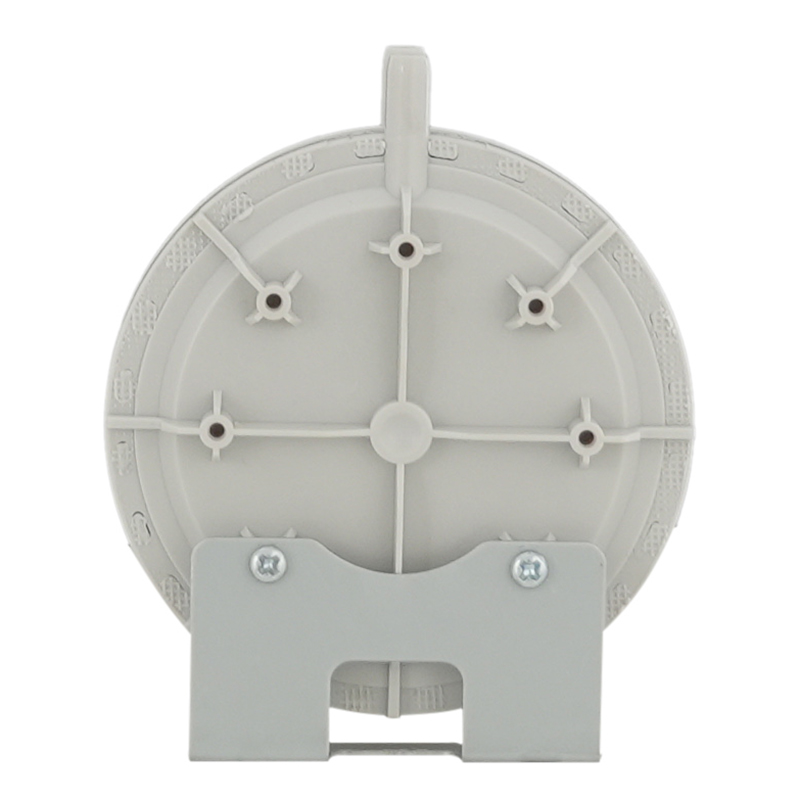
Display fault codes: The boiler display screen shows fault codes related to the blower or air pressure (such as E6, E3, etc.), indicating abnormalities in the blower or air pressure system.
Possible causes:
Centrifugal blower jamming or blockage: Dust or foreign objects enter the centrifugal blower, causing the impeller to jam or operate poorly; after long-term use, excessive dust accumulation inside the centrifugal blower affects heat dissipation and operation.
Motor burnout: Prolonged overload, unstable voltage, or inherent quality issues can cause the centrifugal blower motor to burn out, preventing it from functioning properly.
Poor connector contact: Loose, oxidized, or damaged connectors between the centrifugal blower and the control board can lead to circuit breaks or abnormal signal transmission.
Capacitor damage: A damaged starting capacitor in the centrifugal fan blower motor can affect its starting and operation, causing it to fail to start or operate unstablely.
Voltage issues: Low or unstable mains voltage cannot provide sufficient power to the centrifugal fan blower, causing abnormal operation or failure to start.
Solution:
Check for centrifugal air blower jamming: After turning off the power, open the boiler casing and gently rotate the centrifugal air blower impeller by hand to see if it can rotate freely. If the centrifugal air blower impeller is stuck, try cleaning dust and foreign objects from the impeller and casing. If the impeller is damaged or the bearing is worn, it is recommended to replace the blower or bearing.
Check the centrifugal air blower connectors: Check if the connector between the centrifugal air blower and the control board is loose, oxidized, or damaged. If the connector is loose, tighten it again; if the connector is oxidized or damaged, replace it.
Check the centrifugal air blower fan capacitors: Manually rotate the centrifugal air blower fan impeller. If it starts, the capacitor may be damaged. Use a multimeter to check the capacitance. If the capacitor is damaged, replace it with one of the same specifications.
Check the voltage: Use a multimeter to measure the mains voltage. If the voltage is too low or unstable, install a voltage regulator or stabilizer to maintain the voltage at around 220V. Professional Repair: If the above methods fail to resolve the issue, or if the cause of the malfunction is uncertain, it is recommended to contact our manufacturer's after-sales service personnel or professional repair technicians to inspect the centrifugal blower fans, in order to avoid further damage to the centrifugal blower fans due to improper operation.