

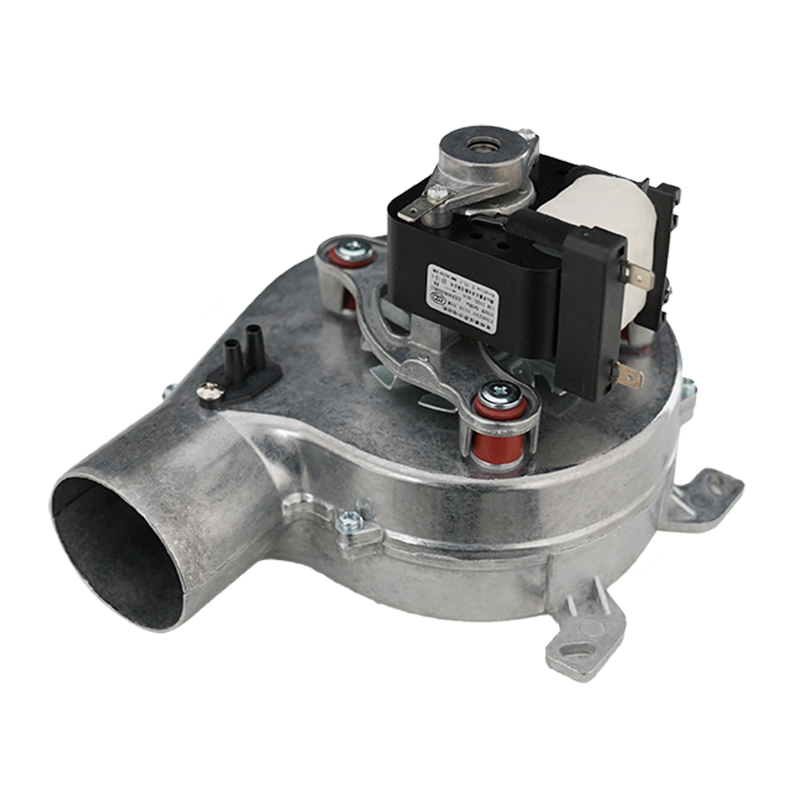
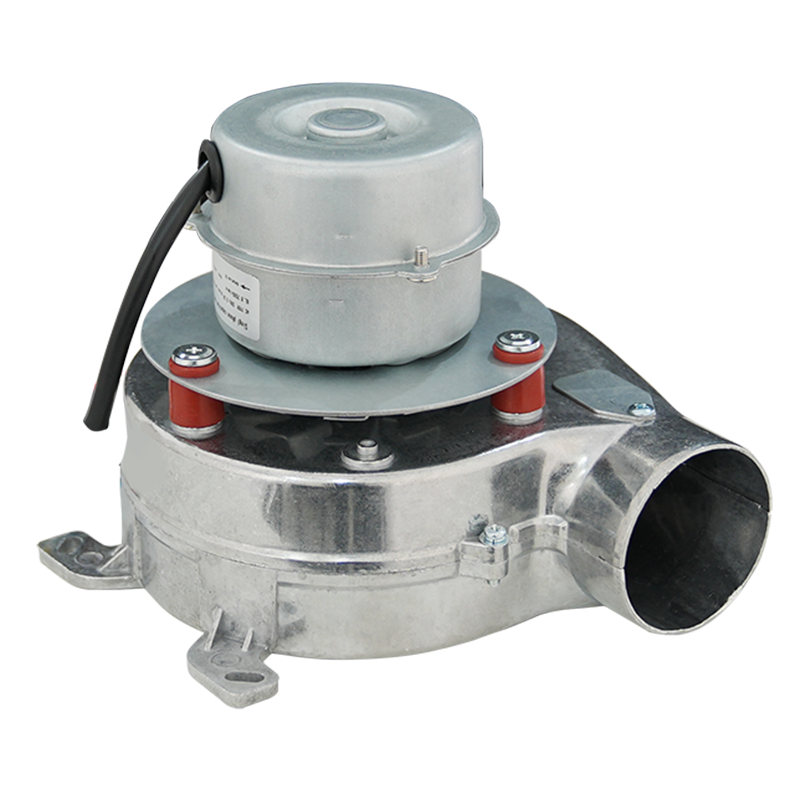
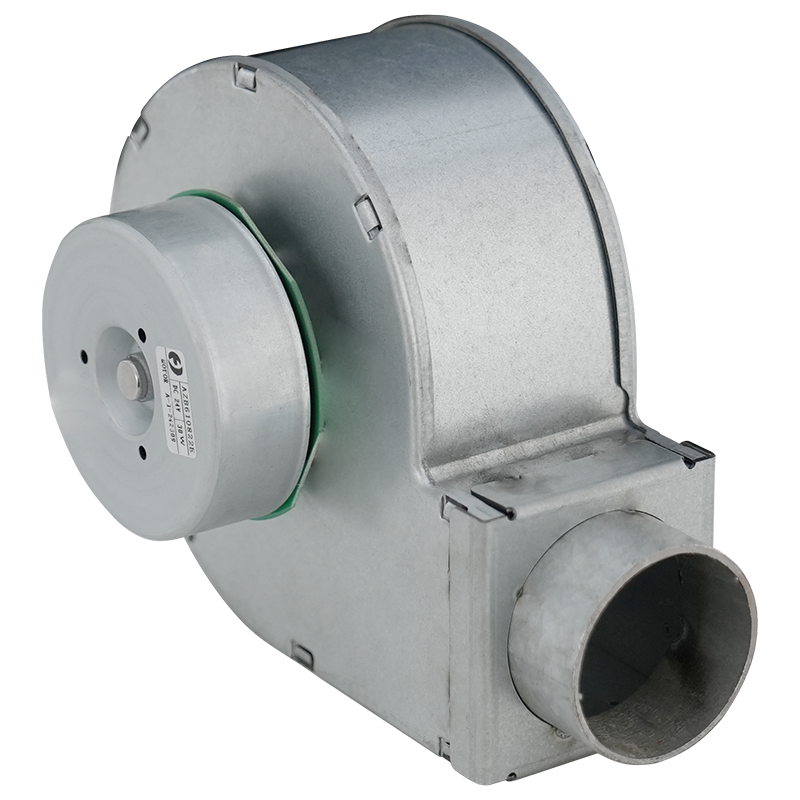
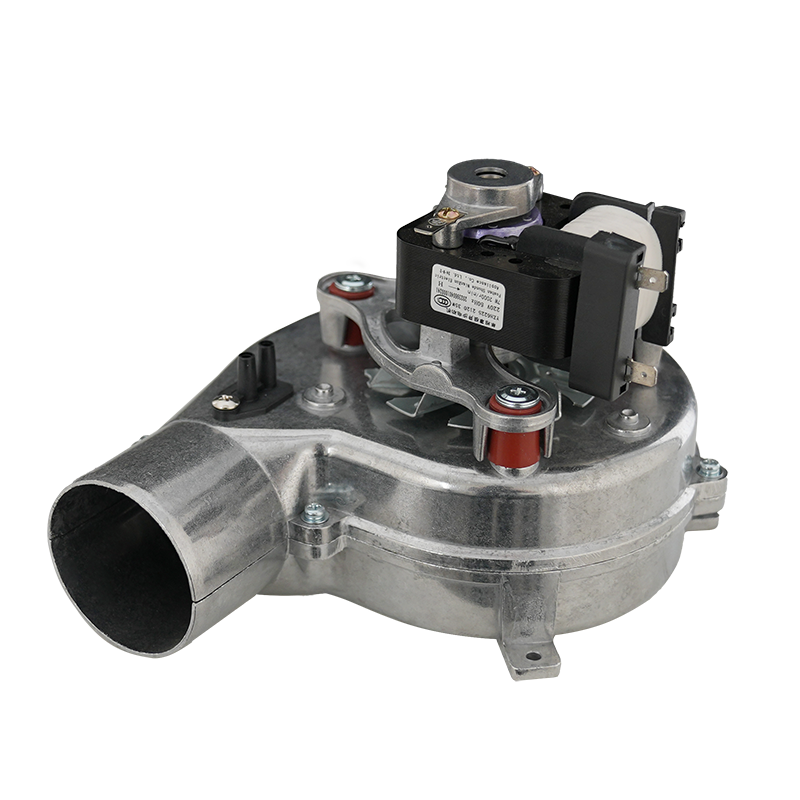
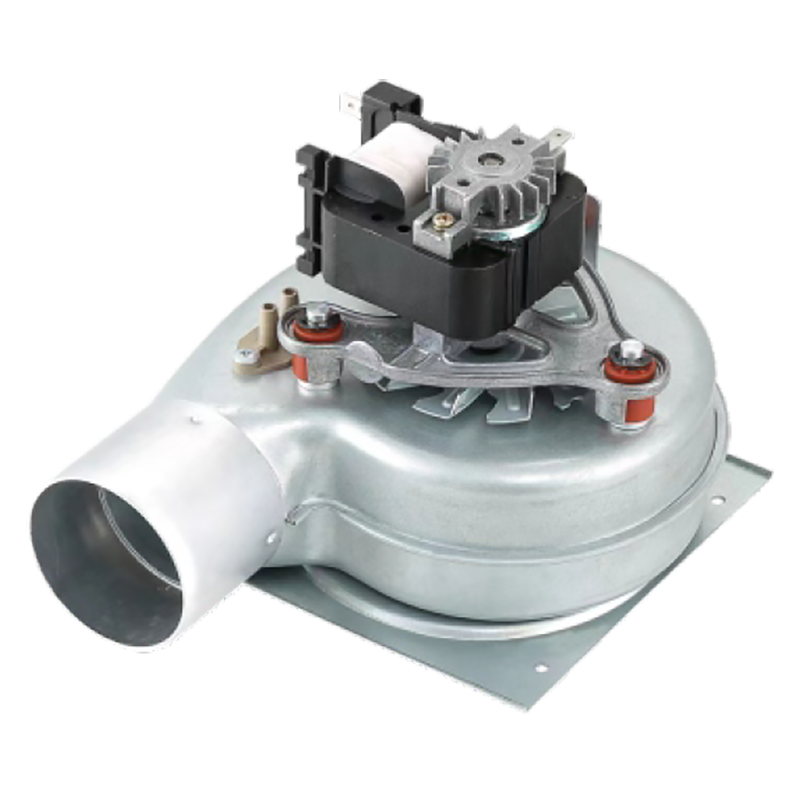
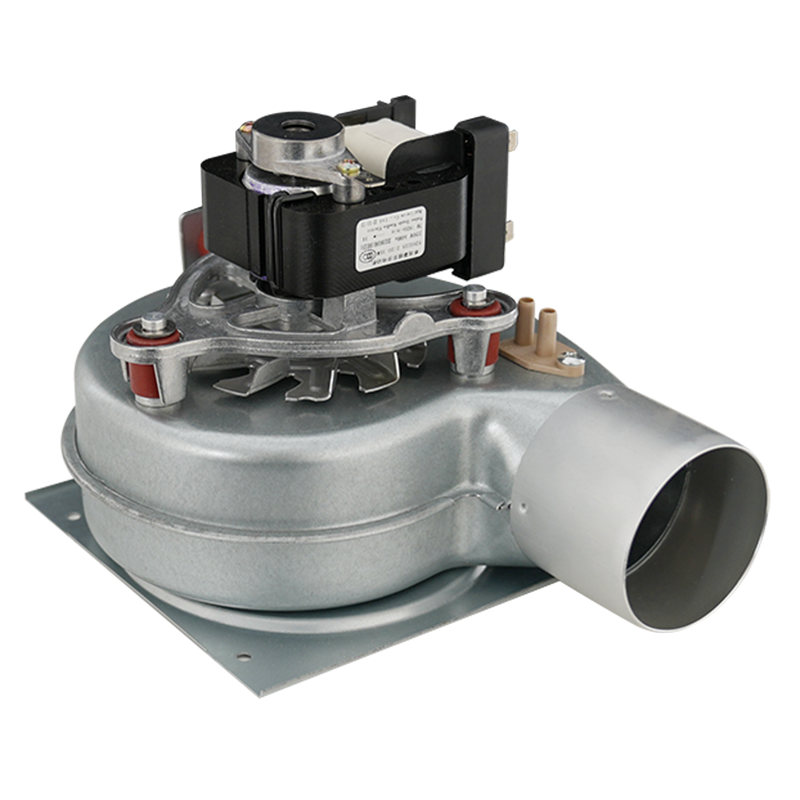
Centrifugal fan motors typically have an efficiency of 50%-90%, with larger fans exhibiting higher motor efficiency. The blower efficiency is estimated at 30%-80%, meaning that 30%-80% of the mechanical energy generated by the motor is converted into wind energy.
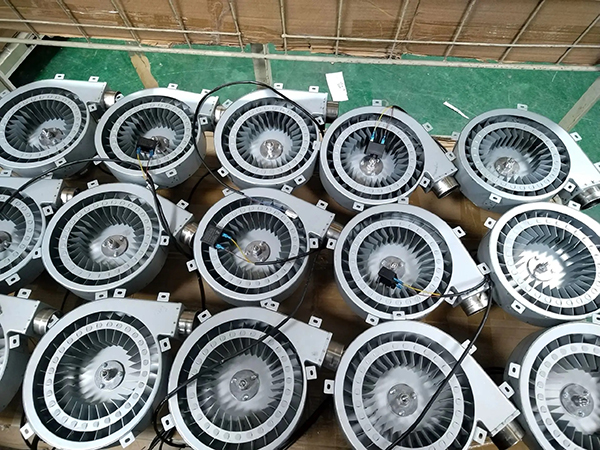
Methods to improve centrifugal fan efficiency include:
1. Industrial centrifugal fan modeling: Optimizing the fan model is a crucial factor in improving efficiency. The impeller cover and blade profile are critical to fan efficiency; a reasonable and efficient blade profile directly impacts efficiency. Adjusting the blade inlet and outlet angles, optimizing the impeller cover profile, and optimizing the inlet flow channel can improve centrifugal fan efficiency.
2. Industrial centrifugal fan performance parameters: Centrifugal fans operate within a system. Mismatches between airflow and air pressure and the system's performance will result in low fan efficiency. Advanced CFD simulation technology can be used to select high-efficiency fans whose operating efficiency points better match the system performance, ensuring the fan's high-efficiency operating range matches the piping system, thus improving the operating efficiency of the modified centrifugal blower fan.
3. Industrial Centrifugal Fan Piping Optimization: If the piping network configuration of the centrifugal fans is unsuitable, the fan's operating efficiency will decrease due to increased resistance, leading to increased energy consumption. The piping network design must be reasonable to avoid turbulence. To reduce airflow turbulence in the fan's inlet and outlet pipes, the centrifugal fan's inlet and outlet pipes should be designed reasonably, minimizing bends and ensuring proper diameter changes, thereby improving the centrifugal fan's operating efficiency.
4. Industrial Centrifugal Fan Adjustment Method: During centrifugal fan blower operation, the actual resistance of the system inevitably deviates from the theoretical resistance. Therefore, it is necessary to adjust the centrifugal fan blower's operating point to suit the actual resistance requirements of the system. Centrifugal fan blowers typically have two adjustment methods: inlet baffle adjustment and speed regulation. Inlet baffle adjustment results in significant resistance loss, which can easily lead to low fan efficiency. Adjusting the fan speed using a variable frequency motor or permanent magnet motor can regulate the fan airflow, making it more adaptable to the pipeline system and reducing fan energy consumption.