
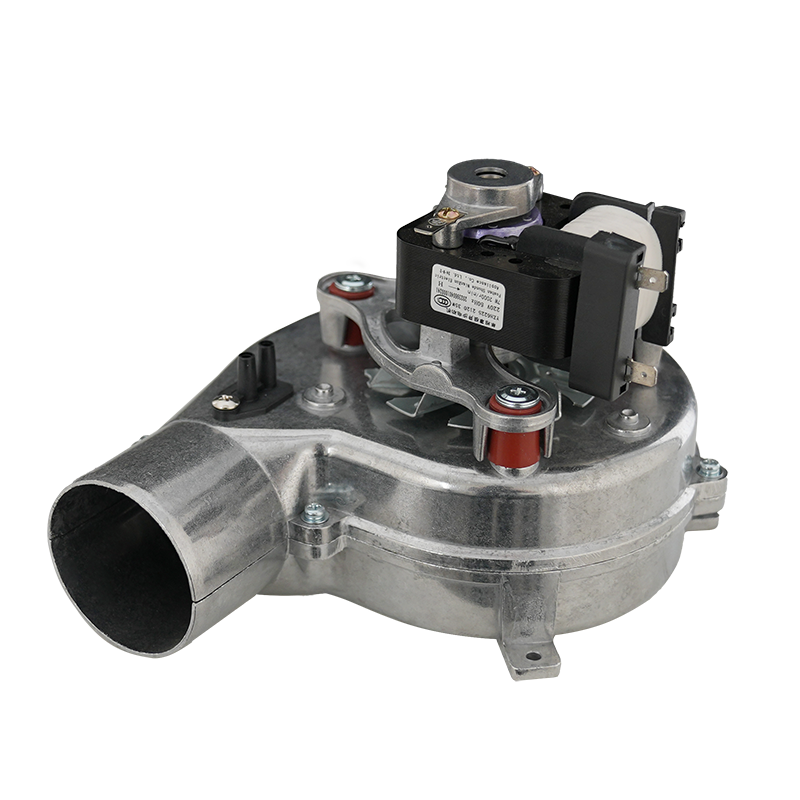
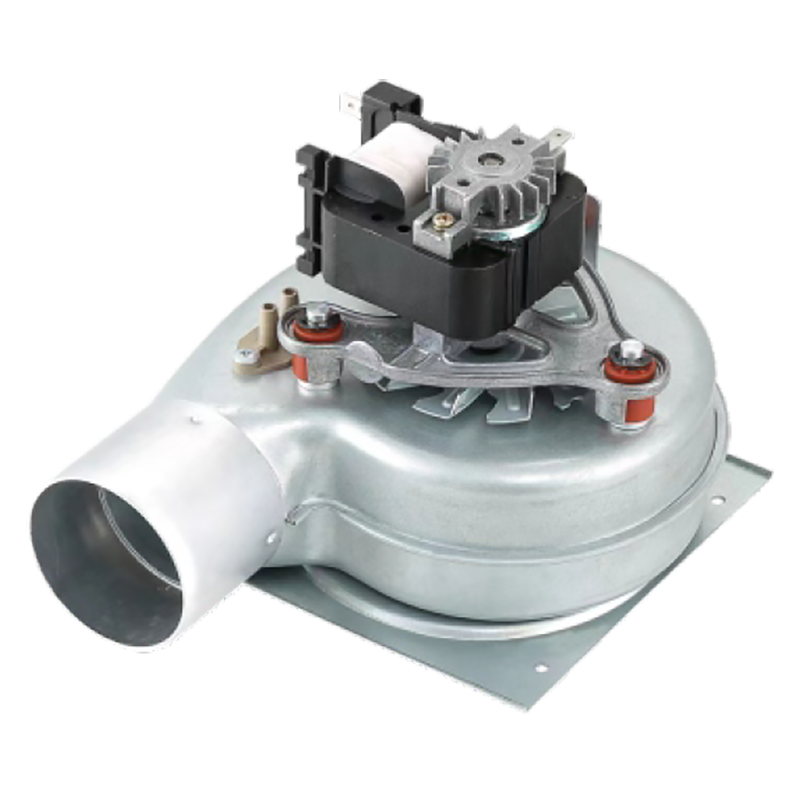
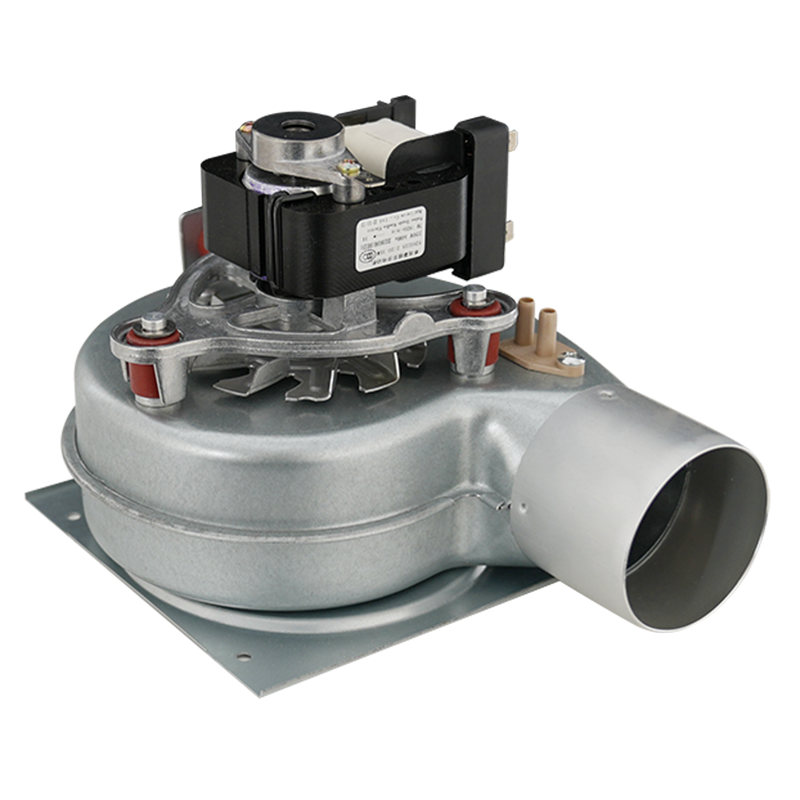
You may not have seen a centrifugal blower fan in person, but we enjoy its services every day – fresh ventilation in shopping malls, cooking fumes in homes, and exhaust gas treatment in factories all rely on the silent efforts of centrifugal fans and blowers. This seemingly ordinary device, thanks to its ingenious physical principles, has become an essential tool across home, industrial, and environmental protection fields. Today, we'll break down the core logic and practical value of centrifugal fans and blowers in simple terms.
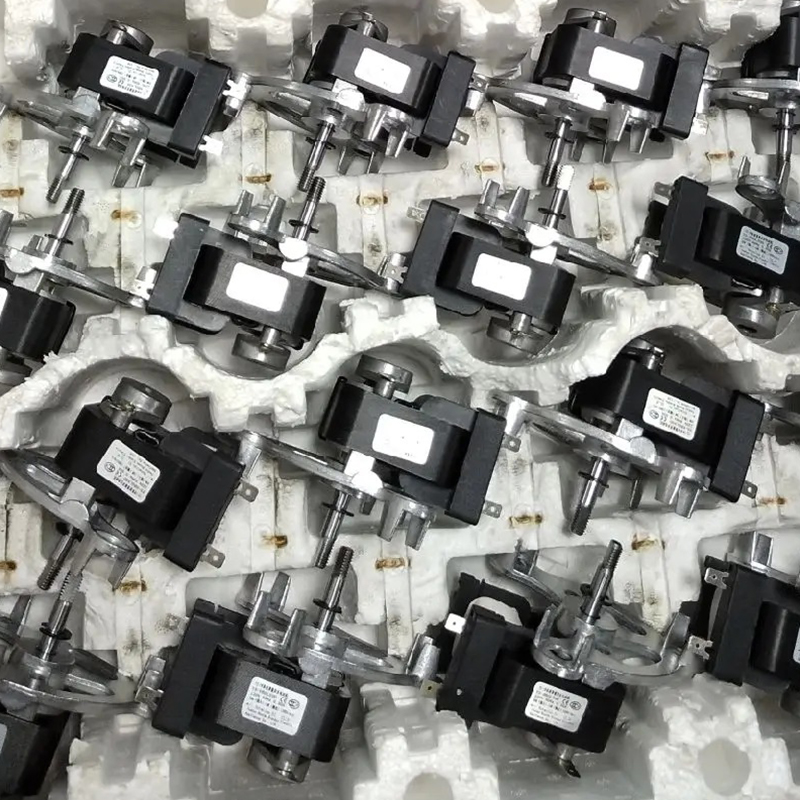
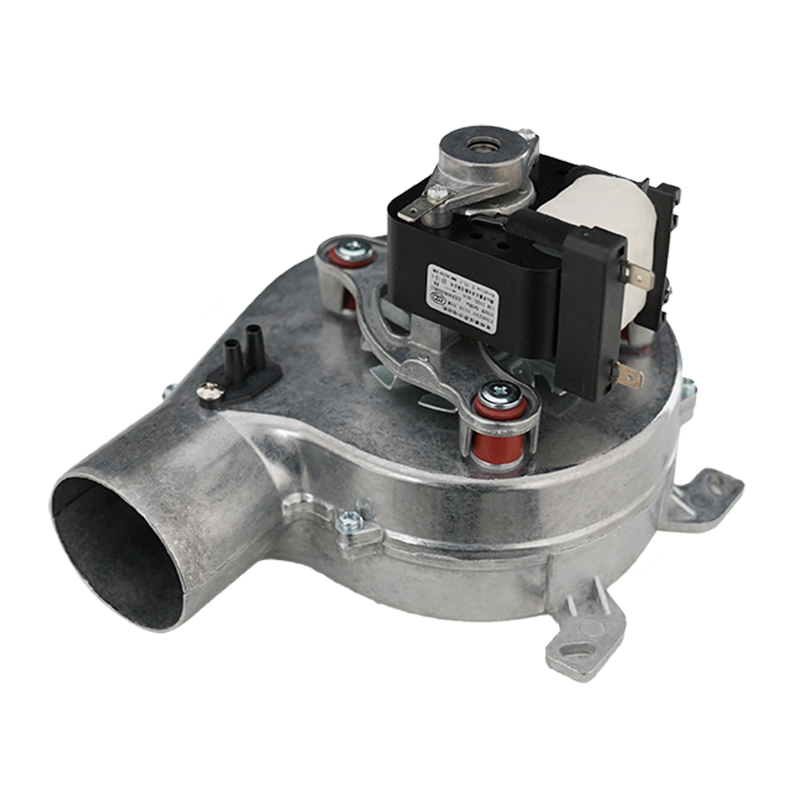
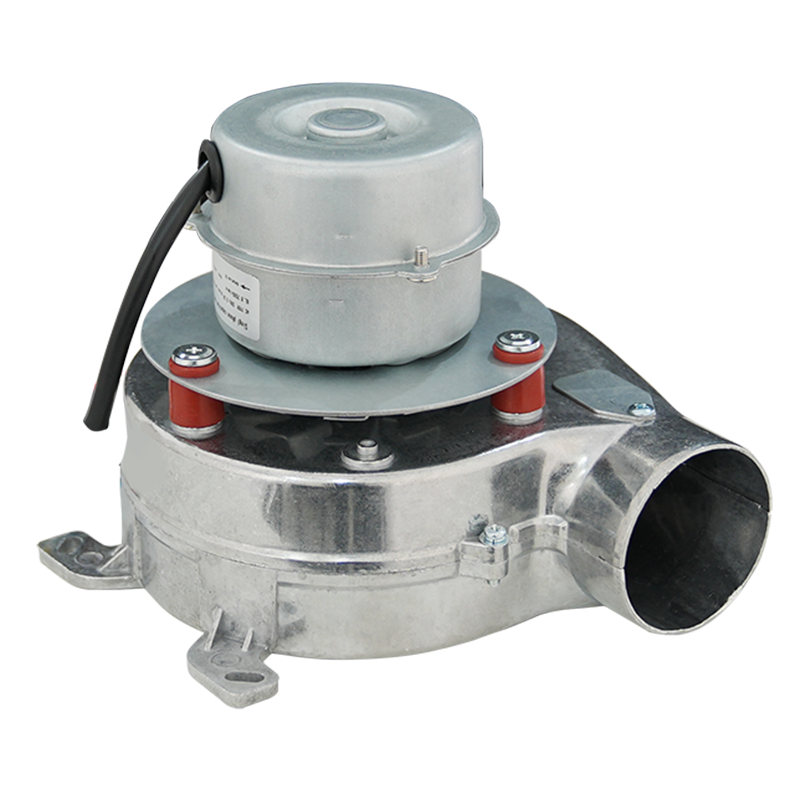
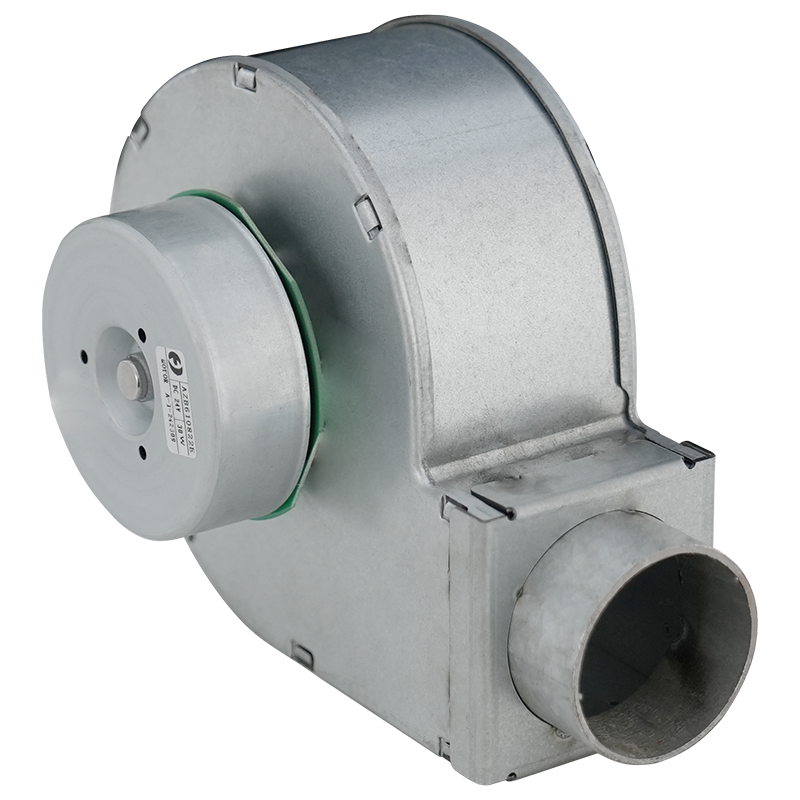
I. Core Principle of Centrifugal Blower Fan: The "Energy Conversion Technique" of Centrifugal Force The working principle of a blower fan is actually quite simple: it's all about "creating airflow using centrifugal force." The core structure of a boiler fan consists of a motor, an impeller (a rotating component with blades), and a casing:
• The boiler fan motor drives the impeller to rotate at high speed, and the blades force the internal gas to follow in a circular motion;
• The gas generates strong centrifugal force during rotation, rapidly throwing it towards the edge of the impeller, at which point the gas's speed and pressure simultaneously increase;
• The high-pressure gas is discharged from the outlet through the flow channels in the casing, while the center of the impeller, due to the ejected gas, creates negative pressure, continuously drawing in external gas to replenish it, forming a stable airflow circulation.
The entire process of centrifugal fans and blowers involves no complex chemical reactions; relying solely on mechanical rotation and centrifugal force, it completes the energy conversion of "gas intake—pressurization—delivery," making it highly efficient and reliable.
II. Practical Scenarios for Centrifugal Blowers: "Full-Scenario Coverage" from Home to Industry
1. Home Life: The Invisible "Guardian of Comfort"
Centrifugal blowers in range hoods: The core power source is a small centrifugal fan. Centrifugal blowers can quickly generate strong suction, instantly removing cooking fumes and protecting the kitchen's cleanliness.
Centrifugal blowers in fresh air systems/air purifiers: Centrifugal blowers drive air circulation, bringing fresh outdoor air into the room while expelling stale air, filtering pollutants such as PM2.5 and formaldehyde.
Centrifugal blowers in bathroom ventilation fans: The small centrifugal fan quickly expels humid air and odors, preventing mold growth and keeping the bathroom dry.
2. Building HVAC: The "Breathing Manager" of Large Spaces
Centrifugal blowers are used in large buildings such as shopping malls, office buildings, and hospitals: the "heart" of the central air conditioning system is the centrifugal fan, responsible for delivering cooled or heated air to every corner while expelling stale indoor air, ensuring ventilation and comfort in spaces with thousands of people.
Centrifugal blowers are also used in residential buildings: kitchen exhaust ducts and stairwell pressurized air supply systems rely on small centrifugal fans to prevent backflow of cooking fumes and ensure air circulation in escape routes.
3. Industrial Production: An Essential Tool for Safe Production
Blowers Centrifugal is used in metallurgical and chemical workshops to quickly remove smelting waste gas, harmful gases, and dust, reduce workshop temperature, prevent the accumulation of toxic gases, and protect worker health and equipment safety.
Blowers Centrifugal is used in textile and electronics factories to precisely regulate workshop humidity and ventilation, preventing fabrics and electronic components from getting damp and damaged, ensuring production quality.
Blowers Centrifugal is used in the power industry to provide sufficient air for boiler combustion and simultaneously remove post-combustion flue gas, contributing to improved power generation efficiency.
4. Environmental Governance: A Powerful Assistant for Pollution Purification
Blowers Centrifugal is used in wastewater treatment plants to supply air to aeration tanks, providing oxygen for microorganisms and accelerating the decomposition of pollutants in wastewater.
Blowers Centrifugal is used in waste gas treatment equipment to extract industrial waste gas and restaurant fumes to purification devices, where they are filtered and adsorbed before being discharged in compliance with standards, reducing environmental pollution.
III. Tips for Choosing a Centrifugal Blower Fan When selecting a centrifugal blower fan, don't blindly follow brands. Focus on two key parameters:
Centrifugal Air Pressure: Determines how much resistance the gas can overcome and how far it can be transported (e.g., high air pressure is needed for exhaust ducts in high-rise residential buildings);
Centrifugal Air Volume: The amount of gas transported per unit time (e.g., large shopping malls require high air volume to ensure ventilation). Choosing the right fan for your needs ensures high efficiency.
From small kitchen fans to large factory equipment, centrifugal blowers solve the major problem of "gas transport" with a simple principle.