
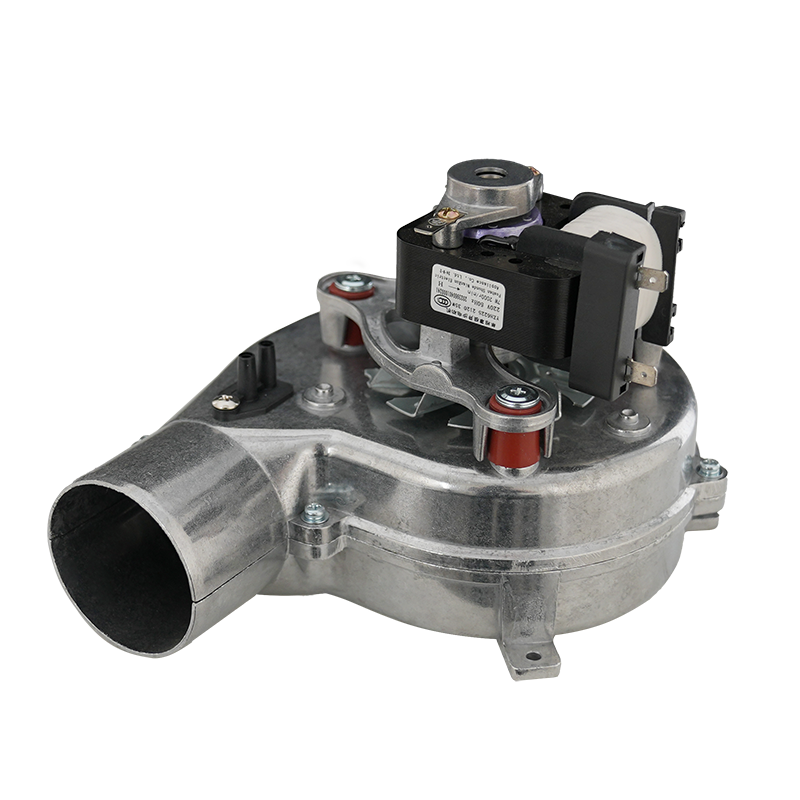
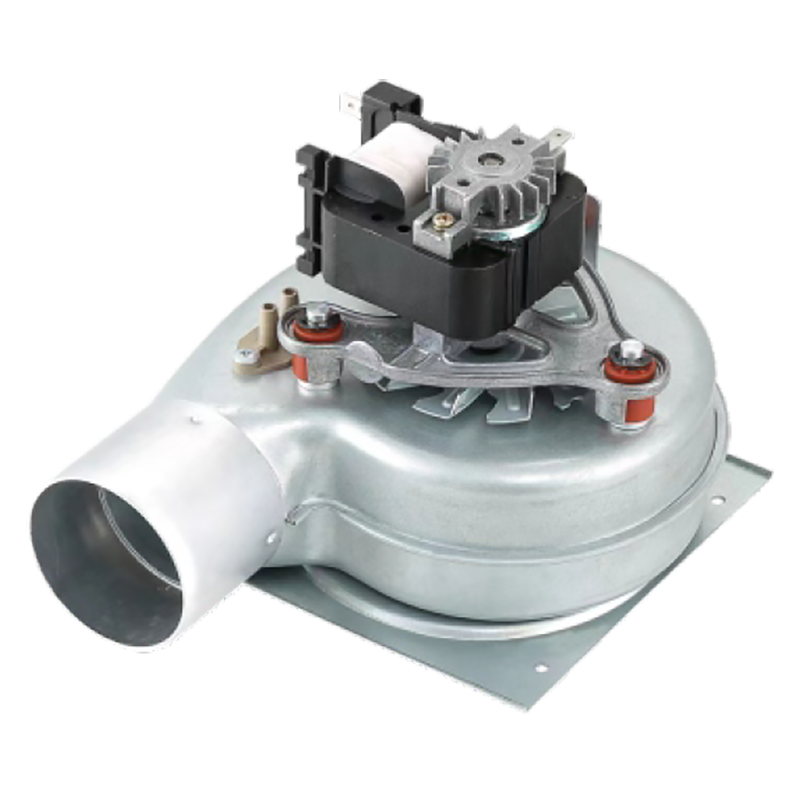
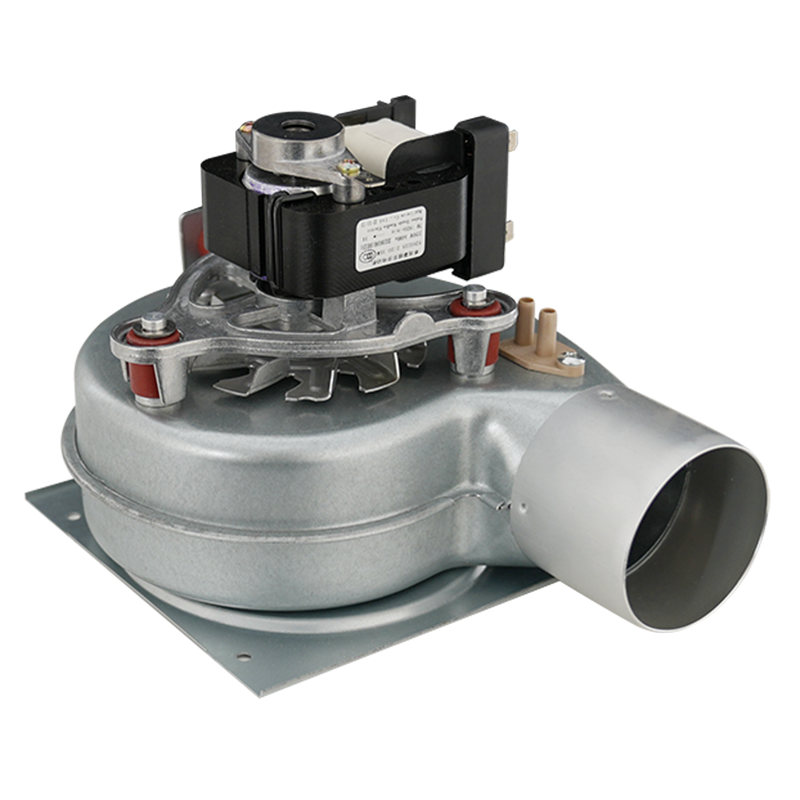
Q1: Centrifugal Fan Installation Precautions
1. Environmental Confirmation: Check the centrifugal fan and duct for condensation, debris, etc. Clean them thoroughly to prevent fan malfunction during startup.
2. Installation Confirmation: Check all foundation bolts of the centrifugal fan for looseness. Ensure the bolts are tightened to the specified torque; otherwise, increased centrifugal fan vibration will affect the equipment's lifespan.
3. Wiring Confirmation:
1) The grounding terminal must be reliably grounded, and the grounding resistance must be less than 10Ω.
2) The communication cable between the PLC and the inverter must be a twisted-pair shielded cable. Ground the twisted-pair shielded cable near the inverter. If interference persists, a ferrite core can be added. Wrap the communication cable around the ferrite core 4 to 5 times before connecting it to the equipment.
3) The internal wiring of the centrifugal blower fan must separate strong and weak current wires. Communication and control lines should not be run in the same cable tray as power lines.
4) The electroplating industry has a harsh and highly corrosive working environment, requiring the selection of electrical components with a high insulation level.
5) If there is a terminal connection between the frequency converter and the centrifugal blower fan, insulating plates are required between the terminals, including between phases and between phase and ground.
4. Centrifugal Blower Fan Start-up Precautions
When using the centrifugal blower fan for the first time, the speed should be gradually increased from low to high. The initial speed is 9000 rpm, and after running for 2-3 minutes, the speed can be increased by 1000-2000 rpm until the desired speed is reached.
During the operation of the centrifugal blower fan, the operating status of each component should be closely monitored to confirm that the sound, vibration, temperature, etc., are normal.
Q2: What is the typical maintenance cycle for an industrial centrifugal fan?
A: The industrial centrifugal fan filter cotton should be replaced and cleaned regularly. The replacement cycle for the industrial centrifugal fan varies from 1 week to 1 month, depending on the customer's site conditions. If the filter cotton becomes dirty and clogged, the temperature inside the industrial centrifugal fan housing will continue to rise, resulting in a decrease in exhaust volume and an increased failure rate.
Q3: How to distinguish between forward and reverse rotation in an industrial centrifugal fan?
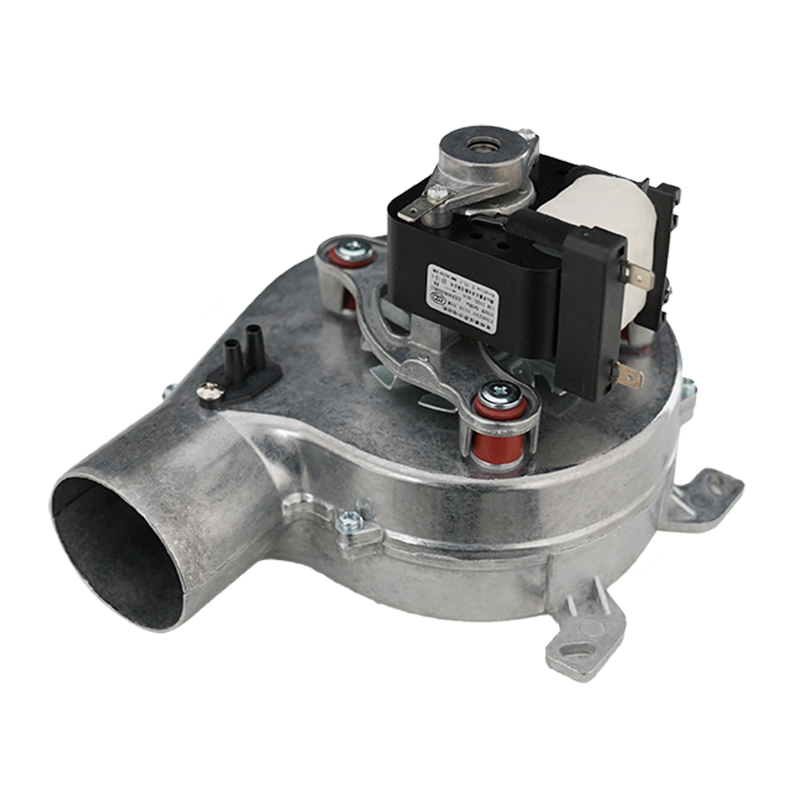
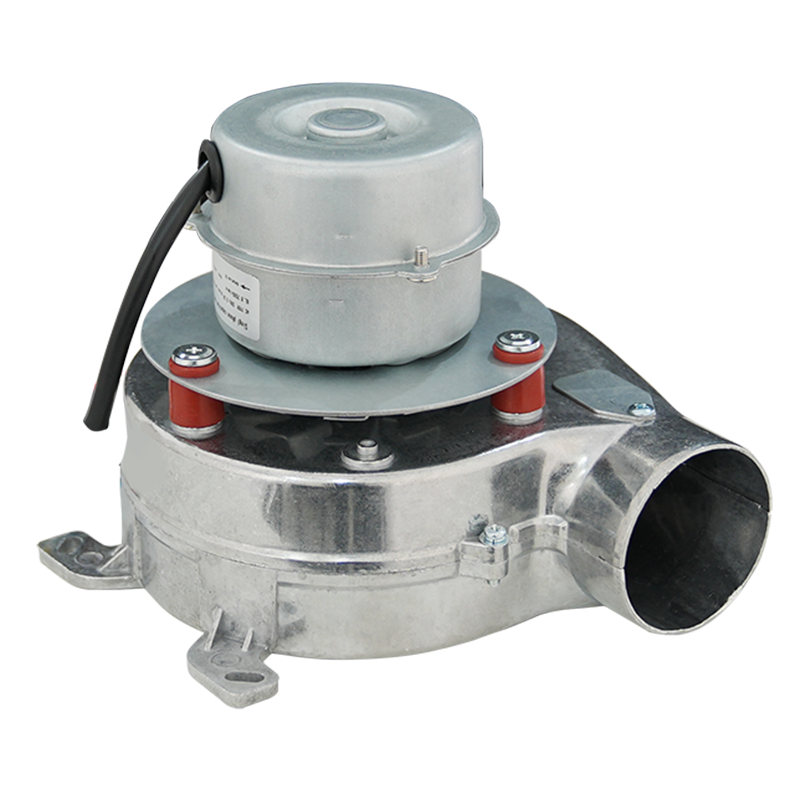
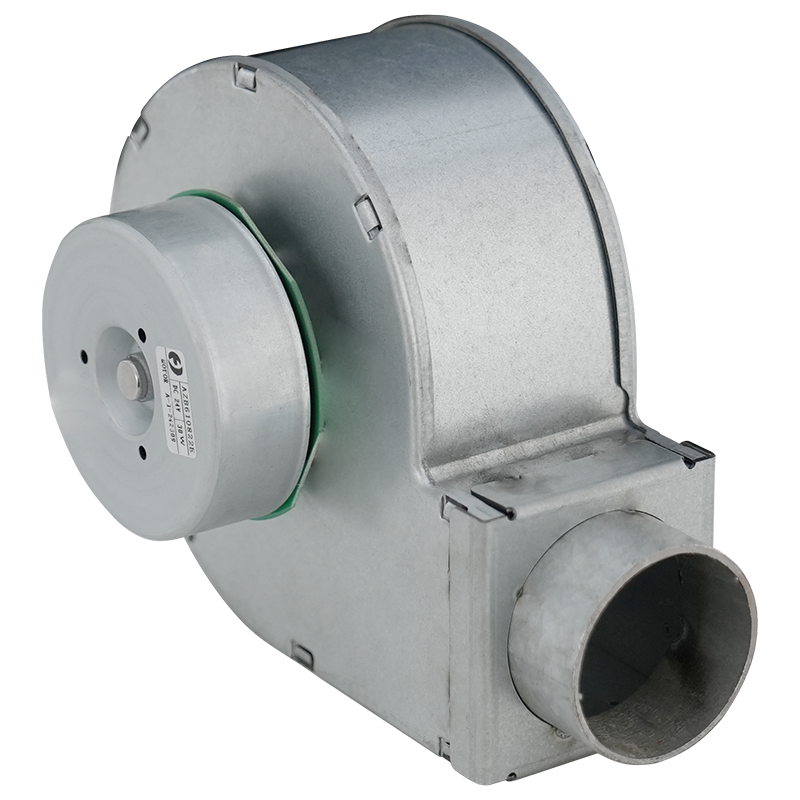
A: Before initial use, briefly turn the industrial centrifugal fan to check the impeller's rotation direction. If the impeller's direction is the same as the direction of rotation at the volute's outlet, it is rotating forward.
If the industrial centrifugal fan is rotating in reverse, disconnect the power supply and interchange the two motor leads at the inverter output to restore forward rotation.
Q4: What is the typical bearing replacement cycle for centrifugal fans?
A: Centrifugal fans use high-speed ceramic bearings for a longer lifespan. The typical lifespan of a centrifugal fan is 20,000 hours.
Q5: What are the common faults and troubleshooting methods for centrifugal fans?
1. Industrial blower fan undervoltage during operation: Check if the input power supply voltage is stable.
2. Motor overload:
① Check if there is air leakage in the output pipeline of the industrial blower fan, or if the operating pressure is too low.
② Check if there is friction between the impeller and the volute of the industrial blower fan; inverter overload.
3. Industrial blower fan inverter overload:
① Check if there is air leakage in the output pipeline of the industrial blower fan, or if the operating pressure is too low.
② Check if there is friction between the impeller and the volute of the industrial blower fan.
4. Input phase loss: Check the wiring of each phase of the industrial blower fan output motor for broken wires, poor contact, etc.
5. Output phase loss:
① Check the wiring of each phase of the output motor for broken wires, poor contact, etc.
② Check for motor malfunctions.
6. Communication failure: Check the communication parameters and wiring of the industrial blower fan.
7. Short circuit to ground: Check the wiring of the industrial blower fan inverter's power cord and ground wire.
The industrial blower fan impeller is scraping against the volute; there is noticeable resistance or scraping sound when turning the impeller by hand. The industrial blower fan motor bearings are damaged, causing abnormal vibration or unusual noises during operation. Please contact our industrial blower fan manufacturer immediately if you encounter these problems.