

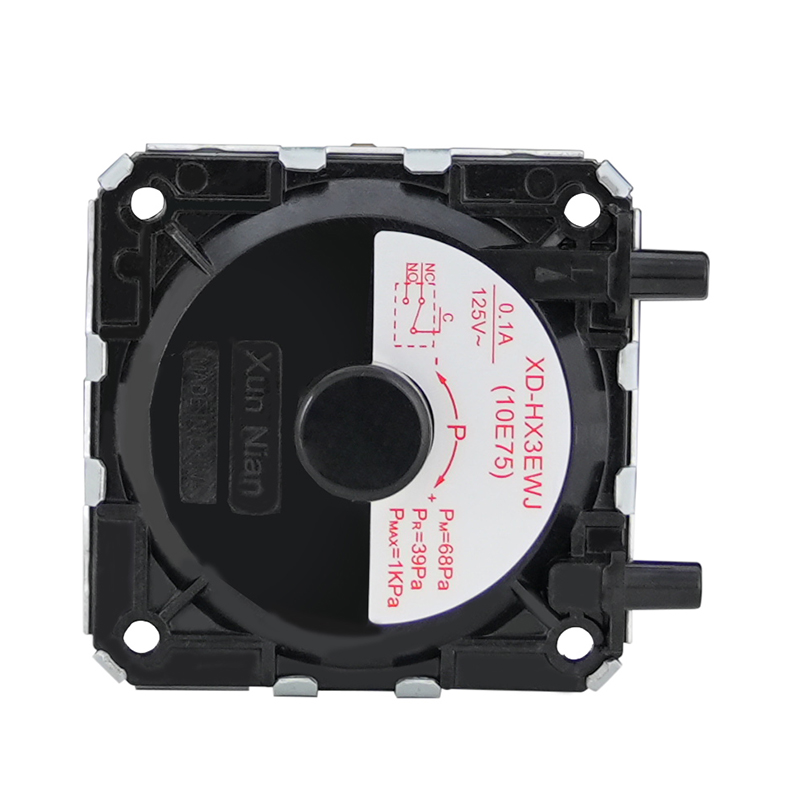
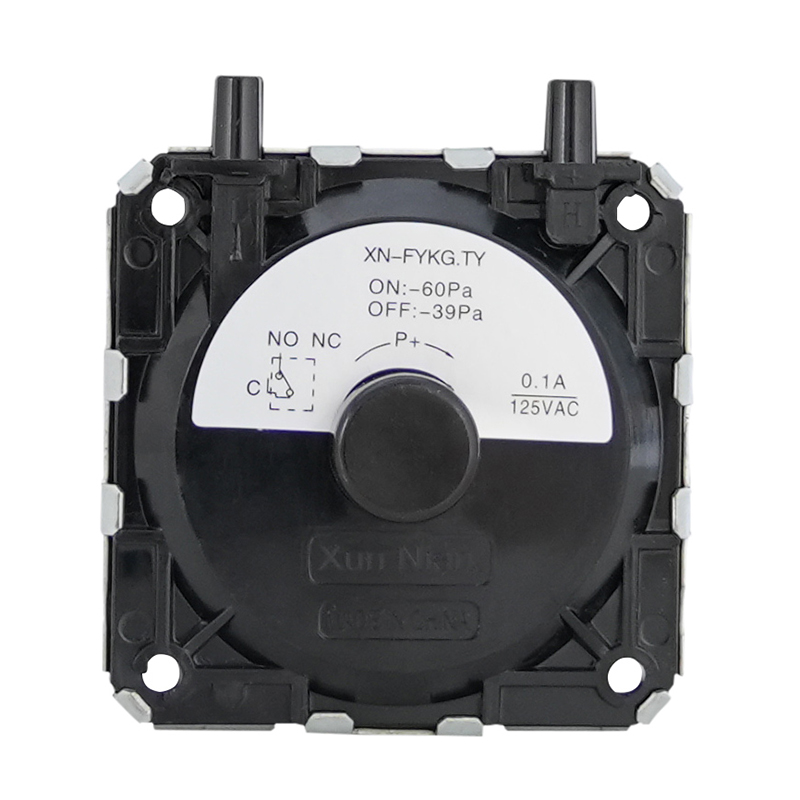
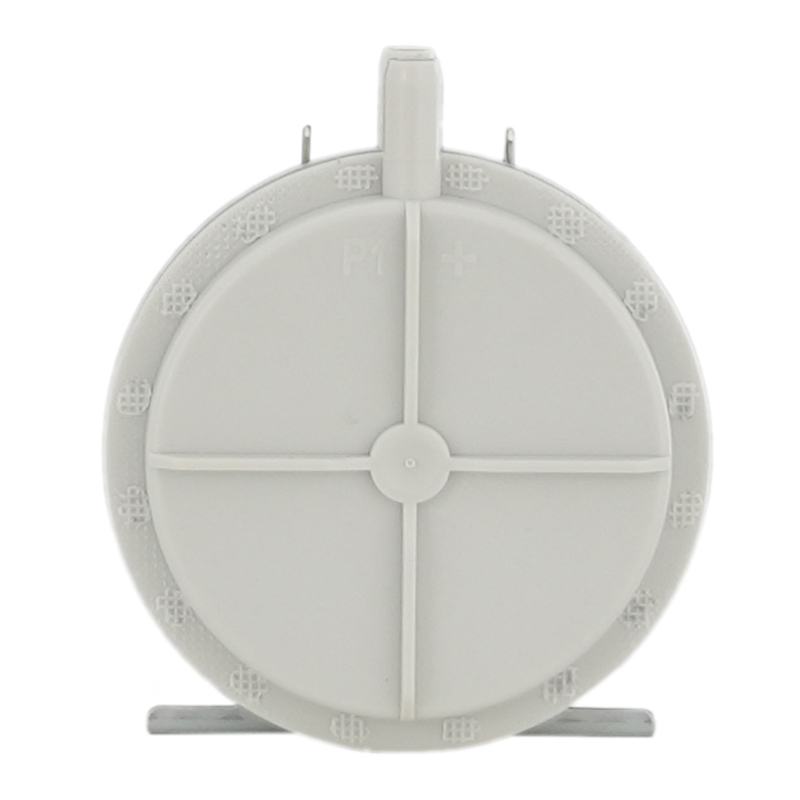
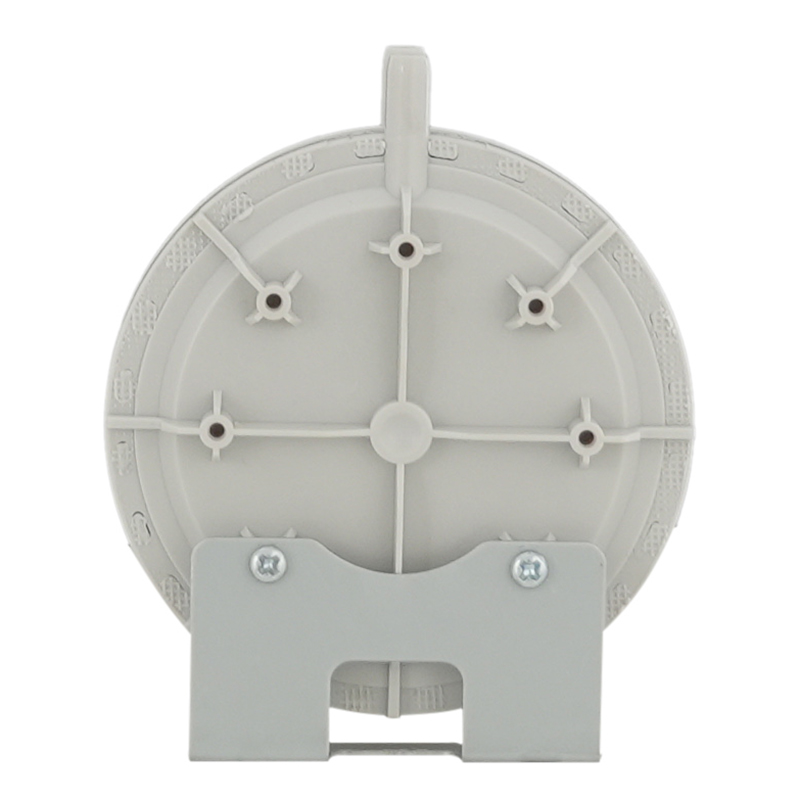
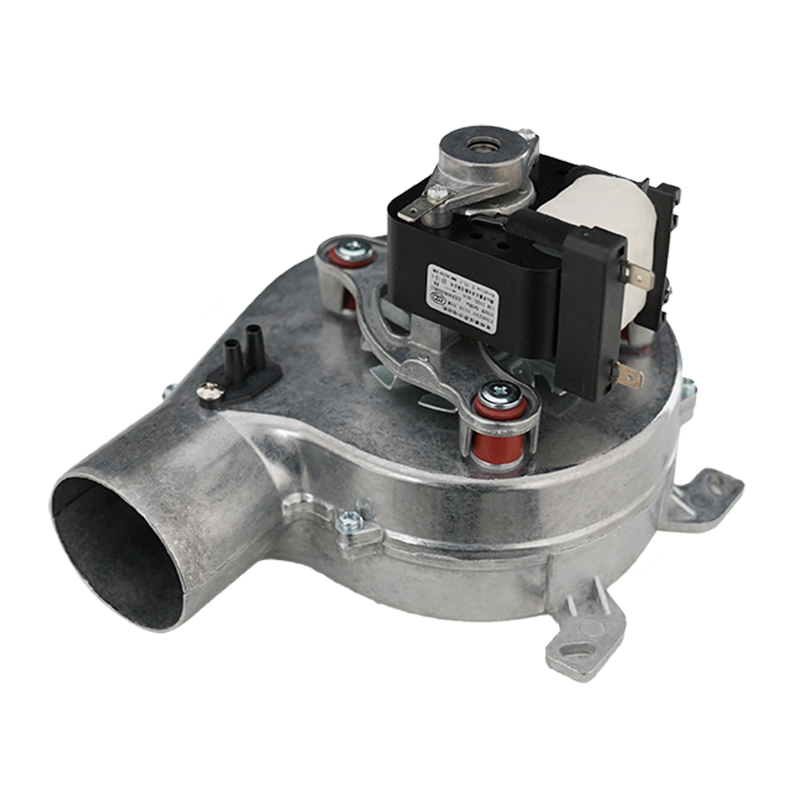
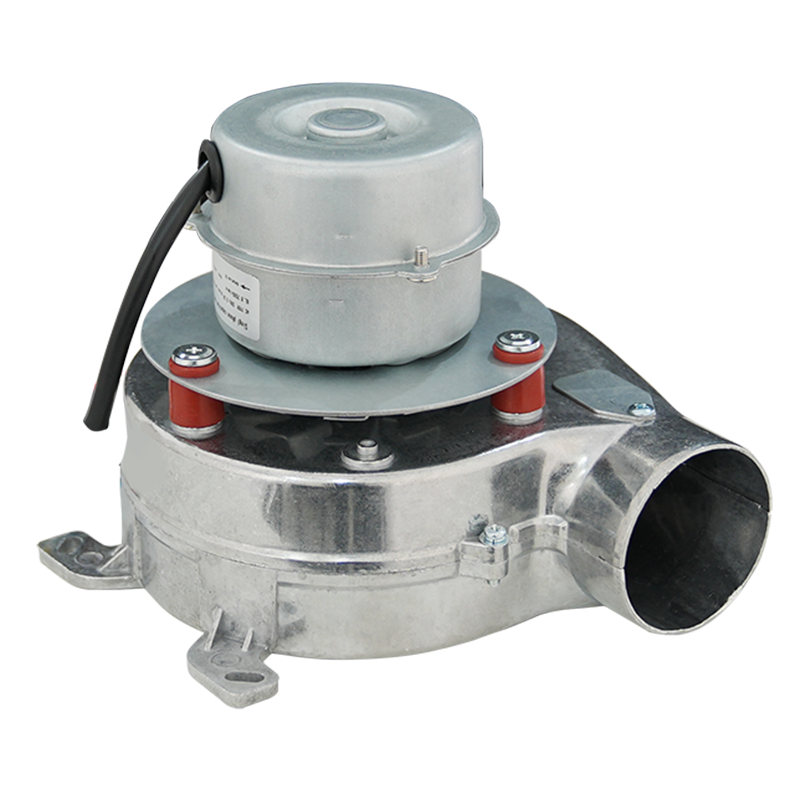
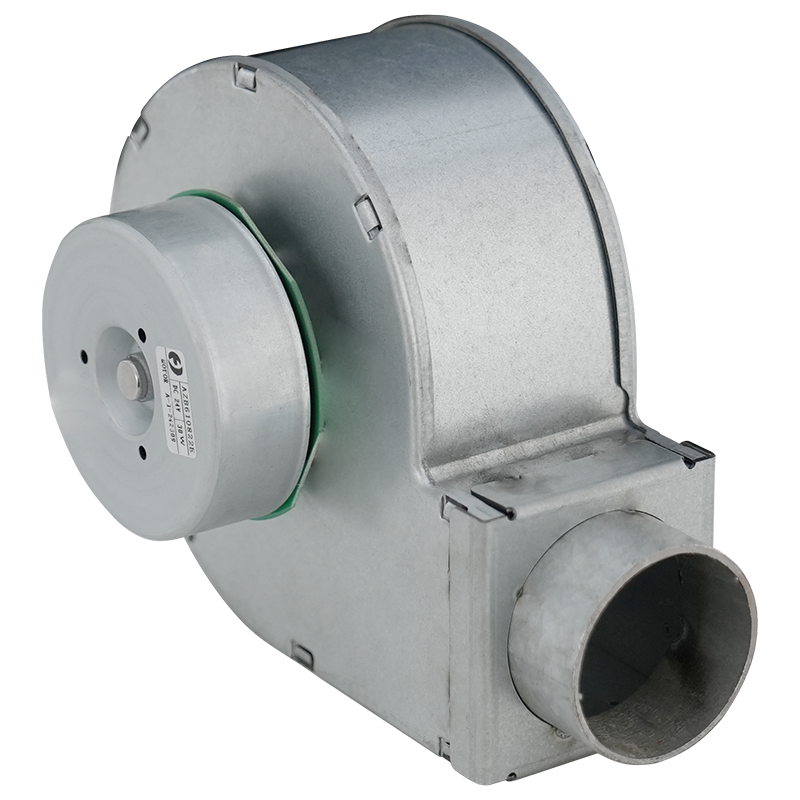
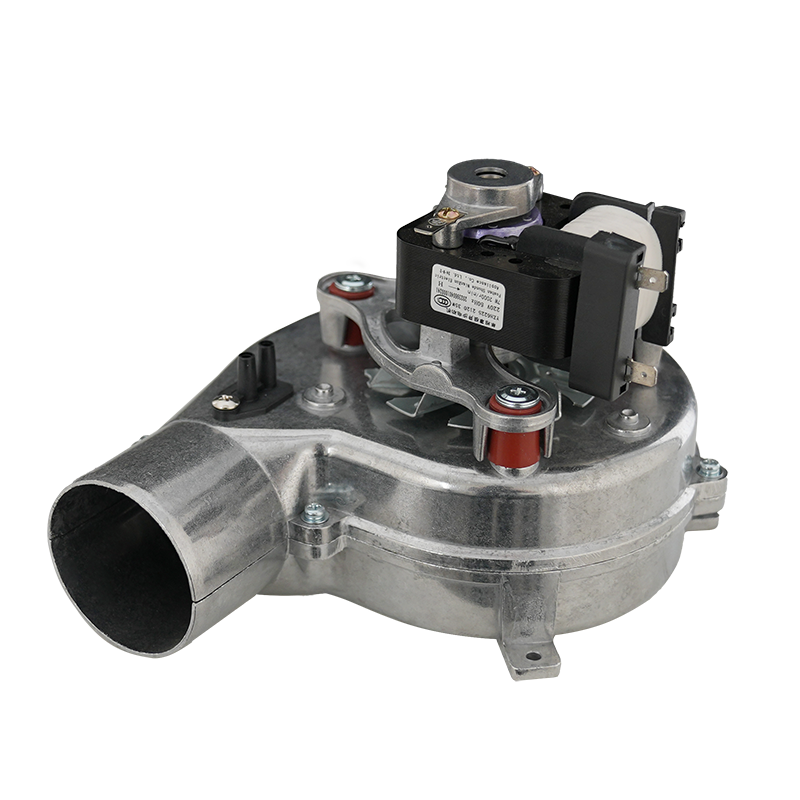
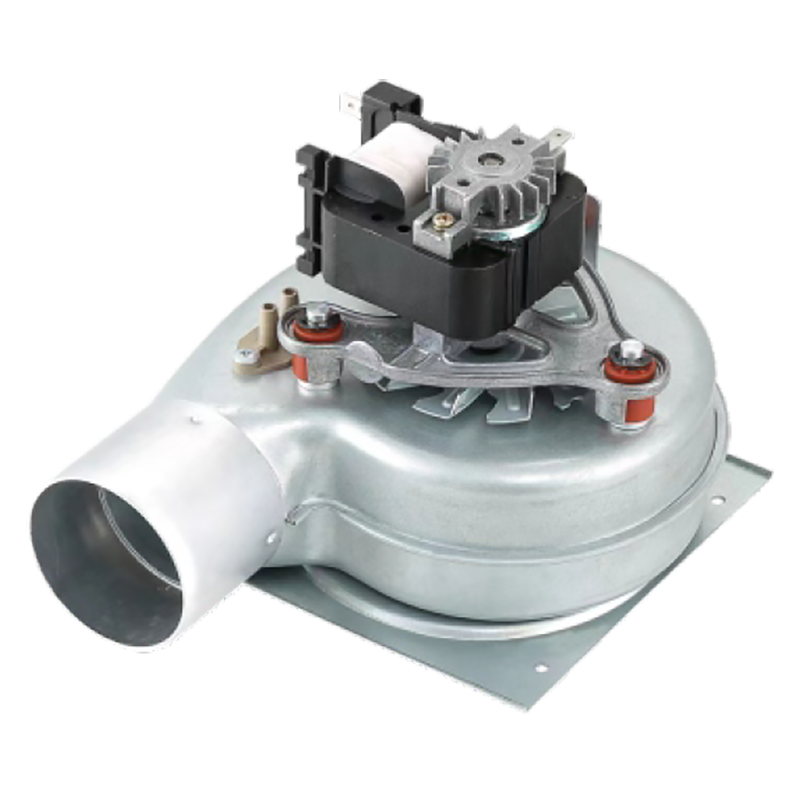
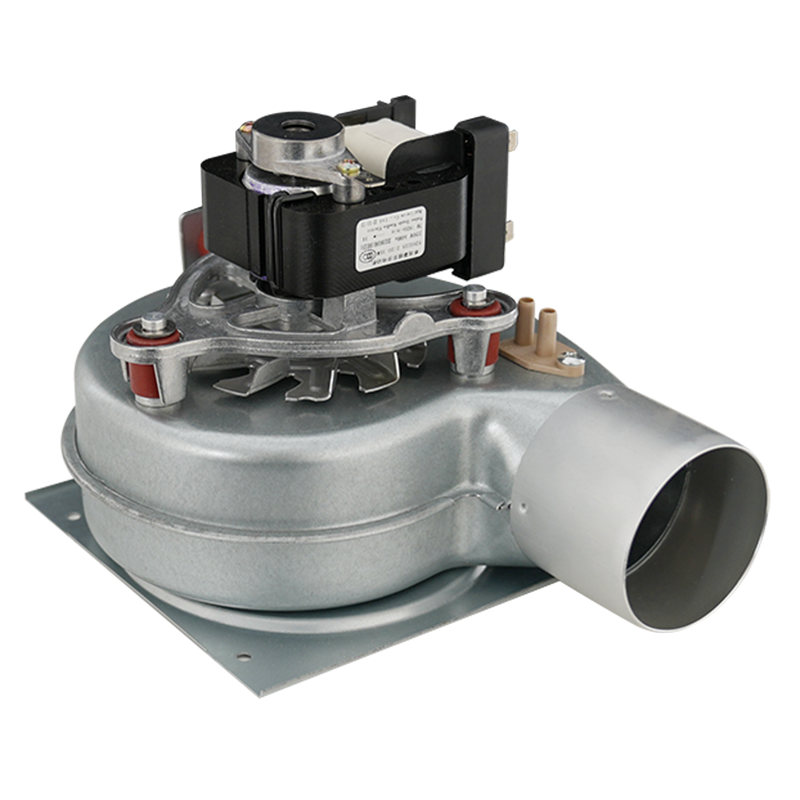
A boiler fan fault is a comprehensive problem involving the centrifugal blower fan, air pressure switch, flue, and related pipes and silicone tubing. It is one of the most common faults encountered during the daily use of wall-hung boilers. When a centrifugal blower fan fault occurs, the display shows the E03 code. So how should you handle an E03 fault? Our technical engineers provide a detailed fault analysis with accompanying video explanations to help our users.
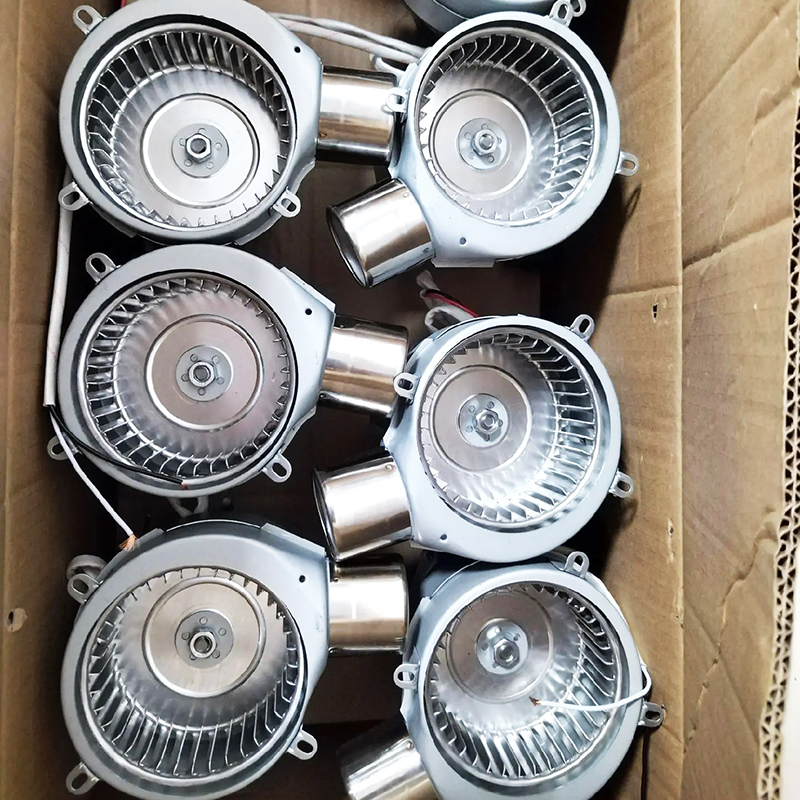
I. Air Pressure Switch Fault
① Fan voltage less than 180V: Check the voltage; add a voltage regulator if necessary.
② Fan not turning: Check if the circuit board is supplying voltage to the fan; check the fan's condition.
③ Air pressure switch fault: Test the opening and closing of the air pressure switch. The simplest way is to blow or suck on it and listen for a very clear "click" sound.
④ Check if the silicone tubing connecting the air pressure switch is wrinkled or damaged; straighten the tubing or replace the switch. Currently, silicone tube damage is quite common, such as compression damage or rodent chewing. Therefore, do not rush to replace the air pressure switch; check the silicone tube first.
⑤ The tube is blocked by dirt (this is usually the most common problem): Clean the tube. The tube is usually inside the blower; it's best to remove it for cleaning, and wipe it with cotton swabs.
⑥ The flue is too long or poorly sealed: Repair the flue. Flue connections are always the most critical part and should not be neglected.
II. Centrifugal Blower Fan Fault
Fault Symptom 1: Centrifugal fans and blowers do not operate or operate slowly, the controller alarms, and the display shows a centrifugal blower fan fault code.
Causes of Centrifugal Blower Fan Fault:
① Centrifugal blowers are stuck or burnt out.
② Centrifugal blower connectors have poor contact.
③ Controller malfunction.
④ Capacitor damage.
⑤ Low mains voltage.
Troubleshooting:
① Use a multimeter to test the blower. If it's stuck, replace the centrifugal blowers.
② Check for poor connector contact; reconnect them properly.
③ If the controller is faulty, replace it.
④ Manually rotate the centrifugal blower impeller. If it starts, the capacitor is damaged and needs replacement.
⑤ Install a voltage regulator to increase the mains voltage to 220V.
Fault Symptom Two: The centrifugal blowers operate normally, but the controller fails to ignite, the main controller alarms, and the display shows a fault code for centrifugal blowers.
Causes: Short circuit in the air pressure switch.
① Air pressure switch not closing.
② Poor connector contact.
③ Blockage at the intake and exhaust ports.
④ Controller fault.
Solution:
① Use a multimeter to test. If the air pressure switch is already closed before the centrifugal blowers start, replace or adjust the air pressure switch.
② If the blowers centrifugal works normally before startup but fails to close after startup, adjust the air pressure switch. If adjustment doesn't solve the problem, replace the air pressure switch. Also, check for blockages in the inner or outer pipes.
③ If the connector has poor contact, reconnect it properly.
④ If the previous faults are ruled out, check if the air intake and exhaust are smooth. If they are not, clean the flue.
⑤ Replace the circuit board.
An air pressure switch malfunction is a complex fault code; therefore, multiple components need to be checked. Common issues include unclean pipes, damaged silicone tubing, and insufficient voltage, but problems with the air pressure switch and blowers centrifugal are also frequent.