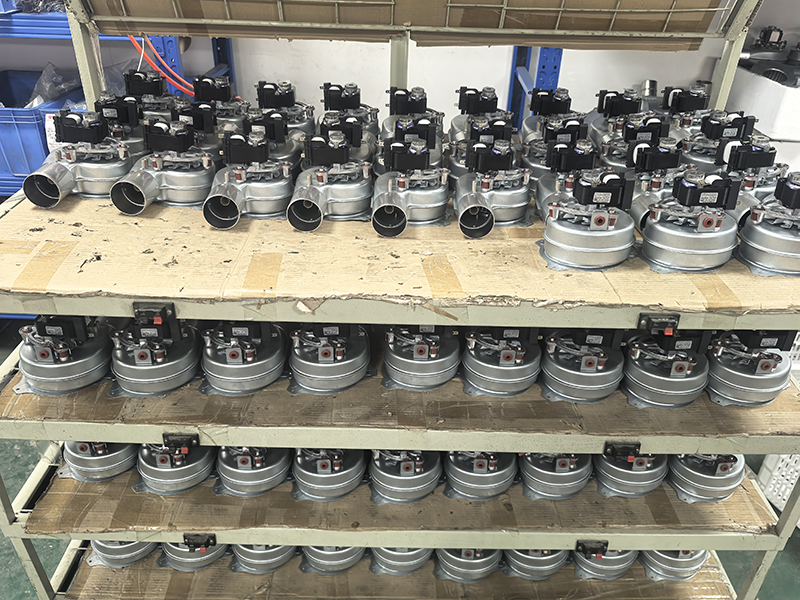

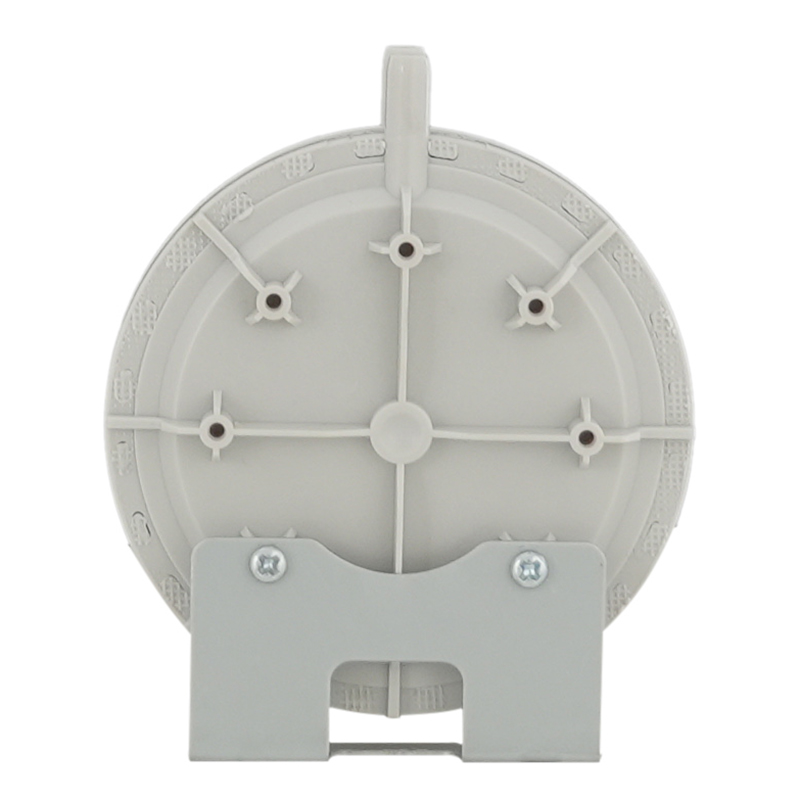
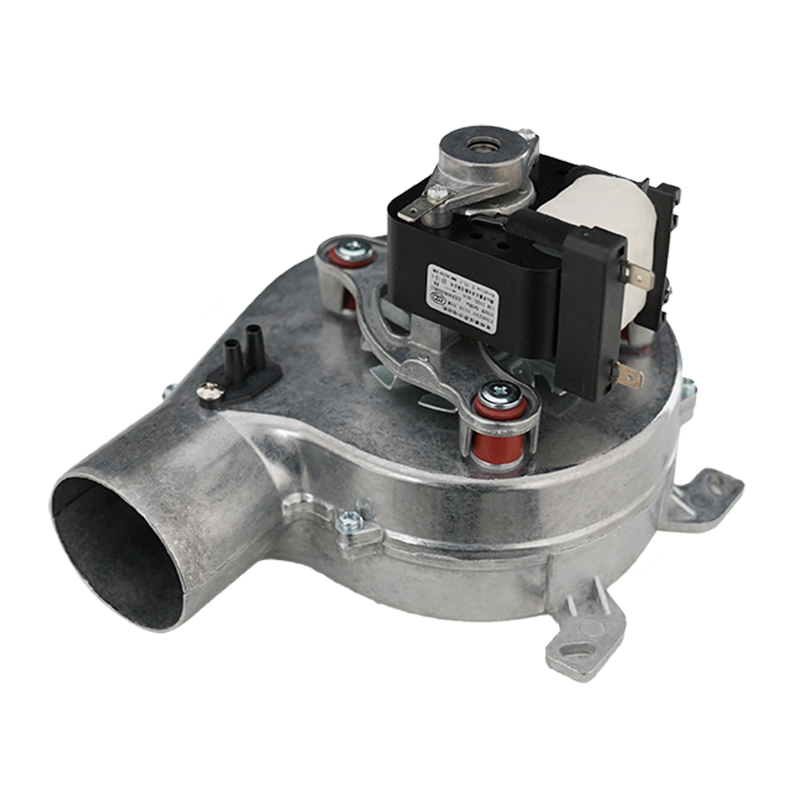
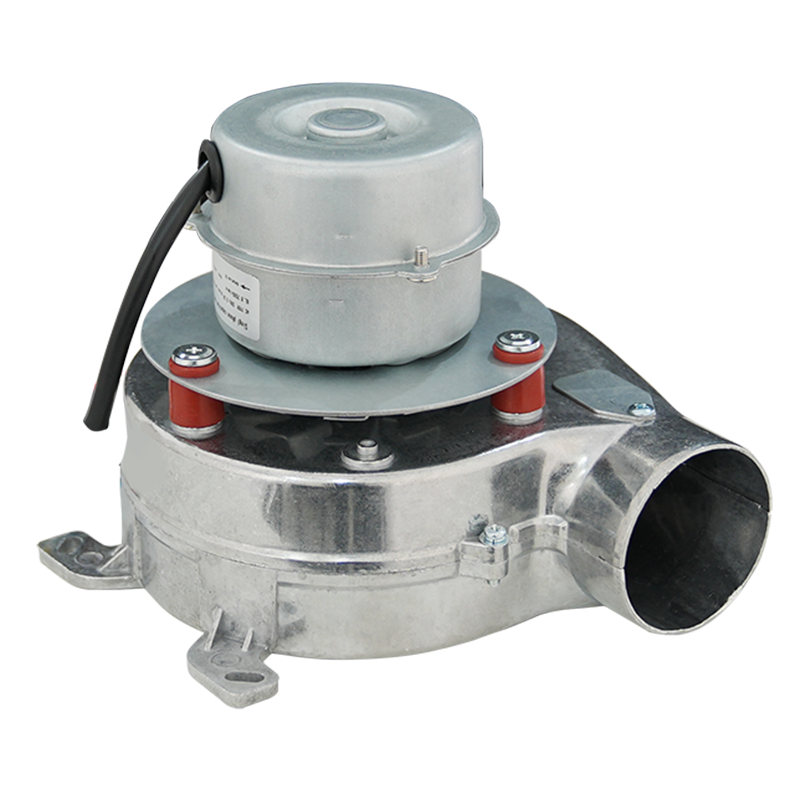
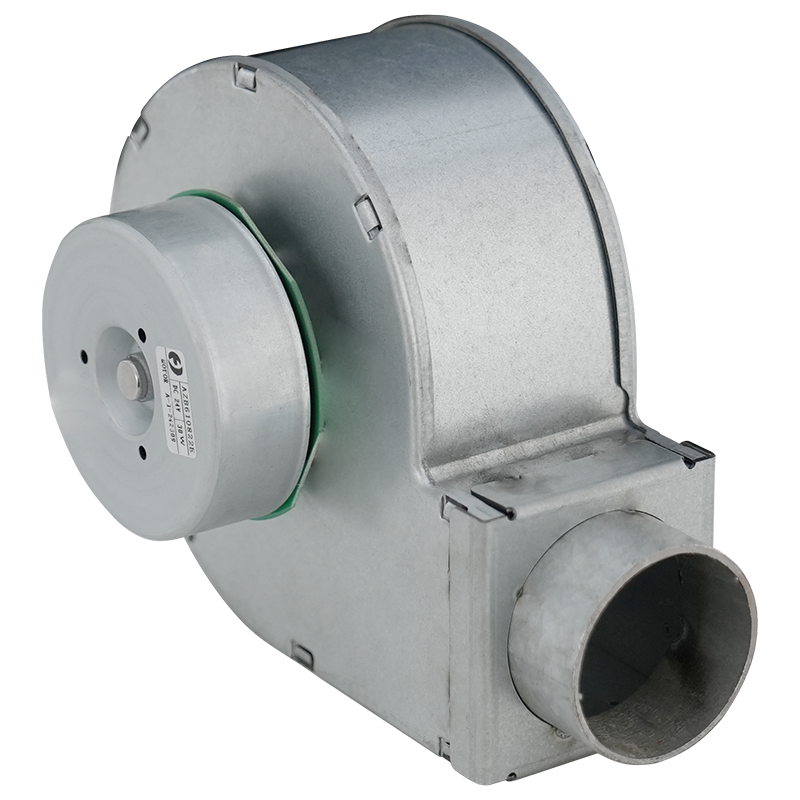
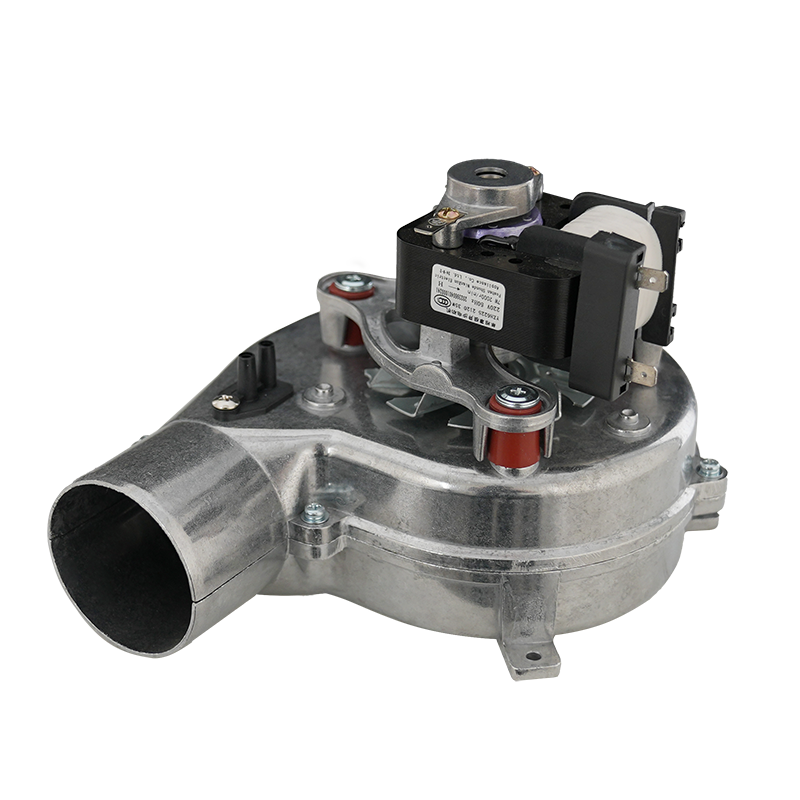
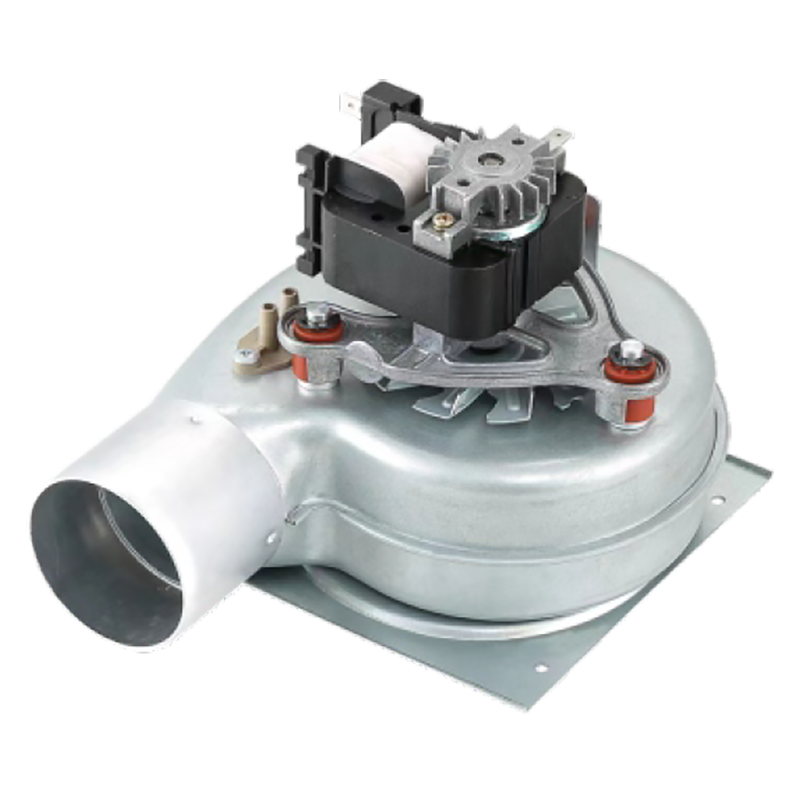
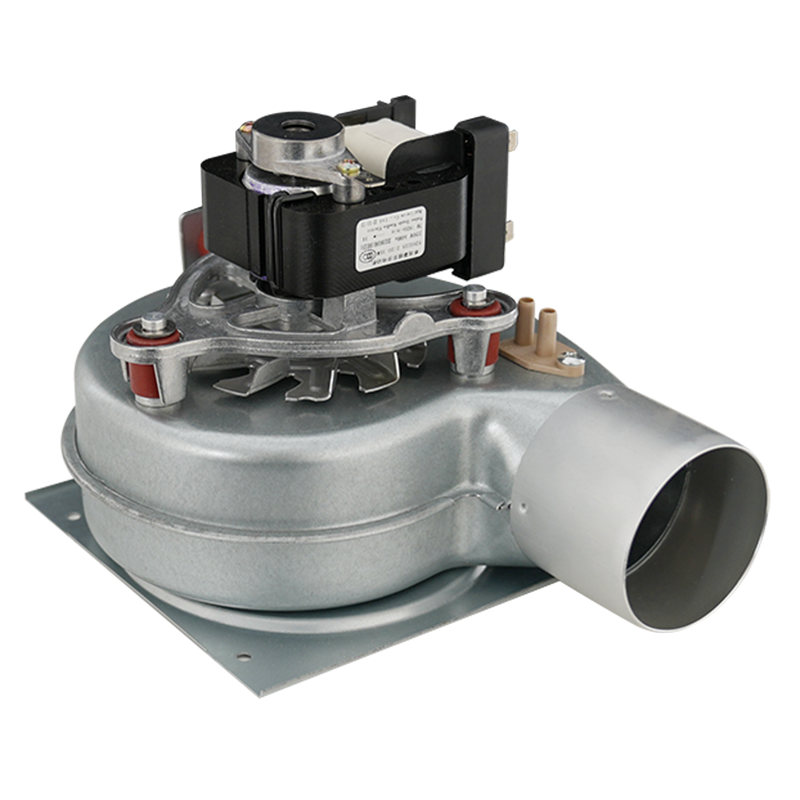
Boiler fans must pump clean or slightly dusty air. They are not suitable for pumping corrosive gases, steam, or dusty air. Improper use of boiler fans can lead to bearing damage, component corrosion and abrasion, impeller imbalance, and overall machine vibration. The normal permissible operating temperature range for centrifugal fans and blowers is -20 °C to +60 °C. If the operating temperature of centrifugal fans and blowers exceeds this range, it must be specified at the time of purchase. The ambient temperature for standard motor-driven centrifugal blower fans is generally +40 °C.
1. Pre-installation Inspection of Centrifugal Blowers
►Check the maximum performance parameters and rotation direction on the centrifugal blower nameplate. Verify that the impeller rotation direction and motor rotation direction are consistent, especially for some reverse-rotating equipment.
►Check that all base bolts of the centrifugal blower are tightened. The specified tightening torque for the bolts must be found in the relevant technical manual.
►Check the integrity of the centrifugal blower coating and sealing components, and take repair measures if necessary.
►Before operation, the centrifugal blowers must be rotated to ensure that the impeller is not in contact with the inlet and outlet baffles, and that the bearings are operating normally without any abnormal friction.
Note: Some models of centrifugal blowers have forward-curved blades. For this type of blower, the outlet must be connected to the system piping to ensure operation within design limits and prevent motor overload and burnout.
2. Installation/Securing of Centrifugal Blowers
When selecting a blower fan, the installation method must be considered, especially for blowers installed in humid or harsh temperature environments. The blowers must be securely mounted on a foundation or steel base. During tightening, any stress or deformation to the supporting structure must be avoided. When installing the foundation and bolts, shims should be used to ensure good contact between the blower and the base. Otherwise, blowers centrifugal fans and blowers will affect the straightness of the entire unit and cause bending deformation, resulting in irregular vibrations during operation. Preferably, blowers centrifugal fans and blowers should be installed on reinforced concrete foundations. If mounted on a steel base, its design must consider the weight of the blowers centrifugal fans and the torque generated by the motor/impeller, and the resonant frequency of the base must be greater than 50% of the fan's operating frequency. If the blowers centrifugal fans and blowers are installed on a concrete foundation, the weight of the foundation must be four times the weight of the rotor plus the weight of the motor (approximately twice the overall weight of the unit).
All centrifugal fans and blowers, regardless of manufacturer, have a natural frequency. They must be kept as far away as possible from the system's operating frequency. Operating under resonant or near-resonant conditions can cause impacts on the fan and its structural components, potentially leading to breakage. For more information, please contact us.