

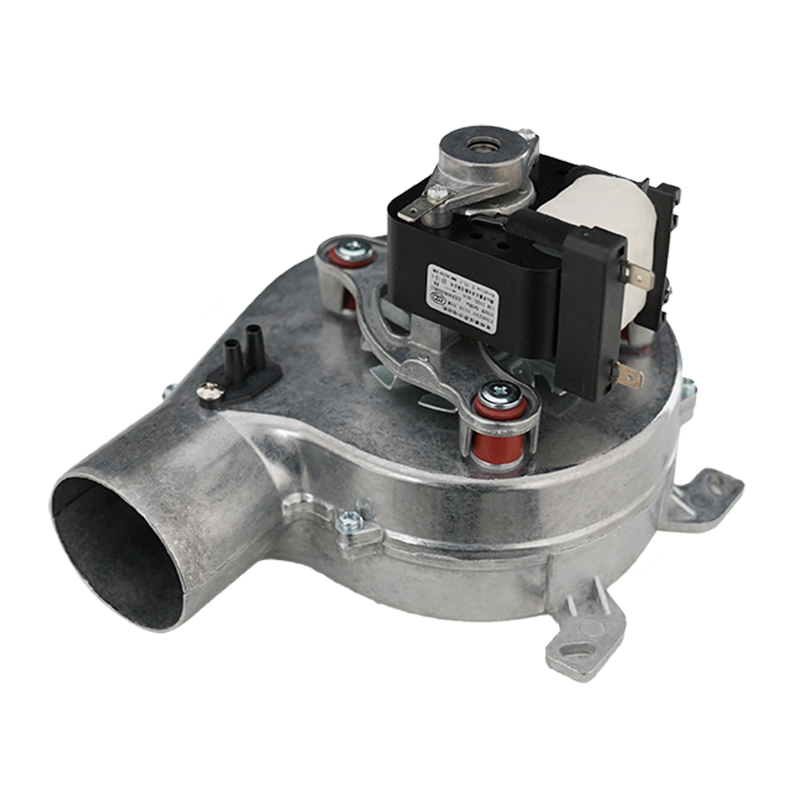
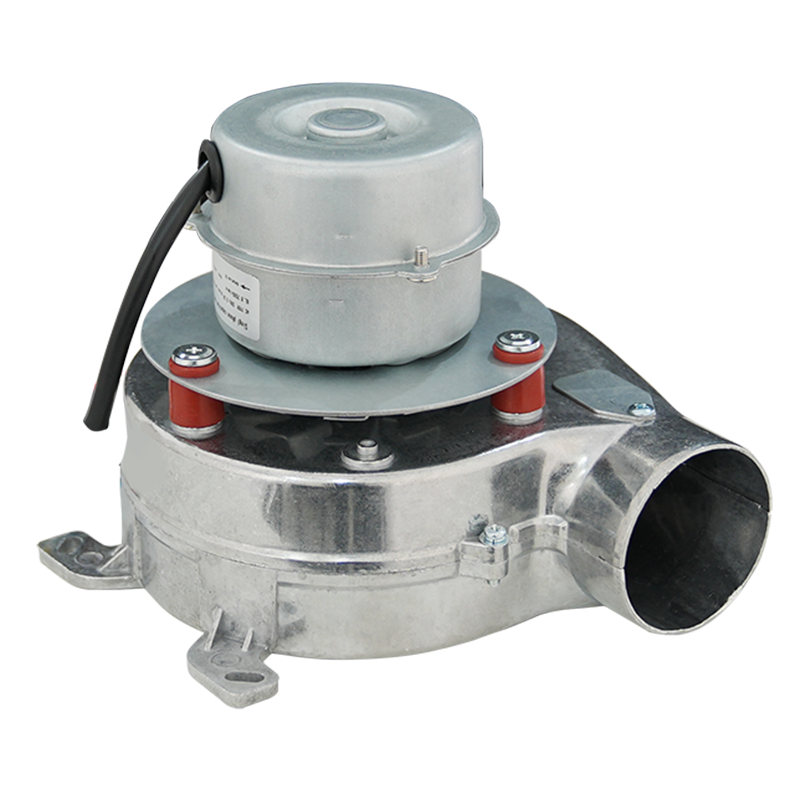
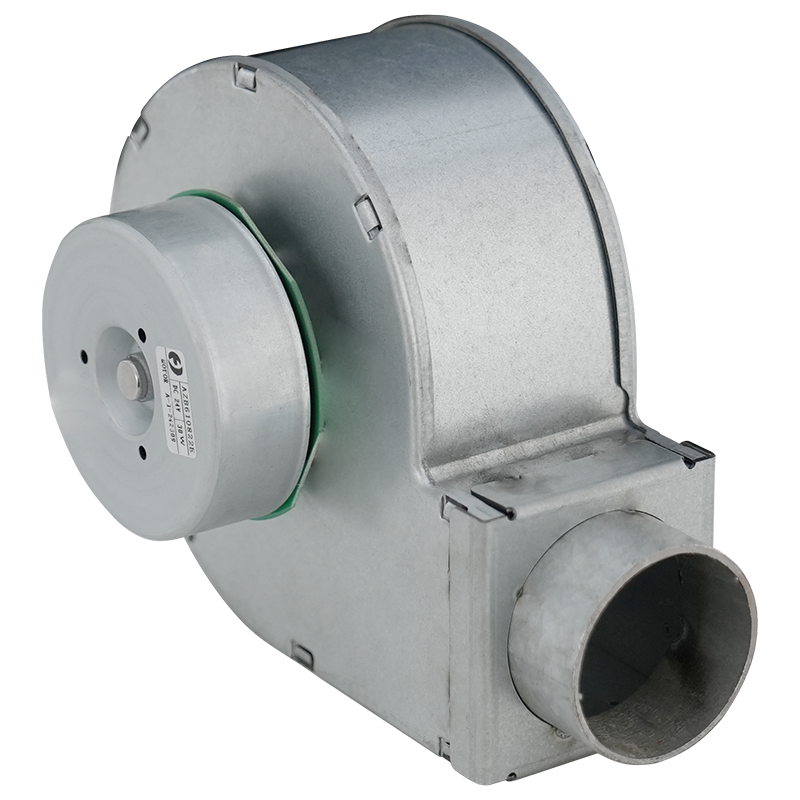
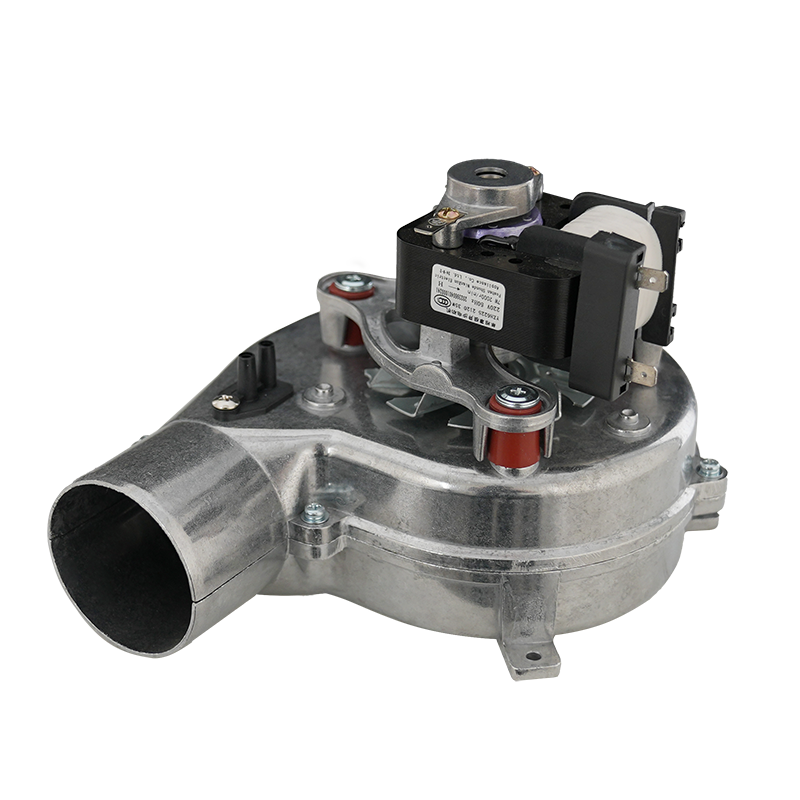
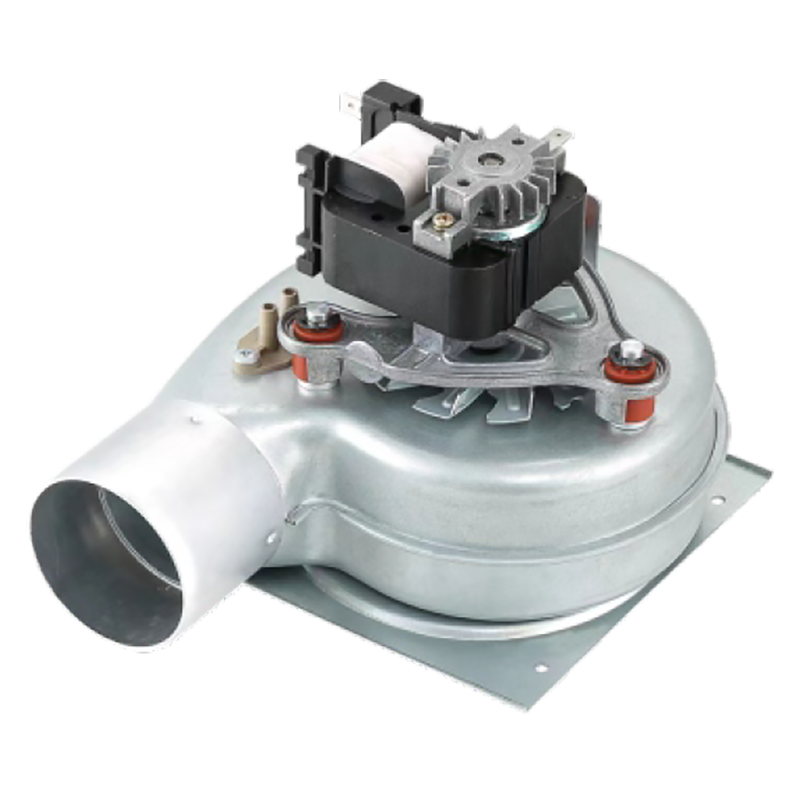
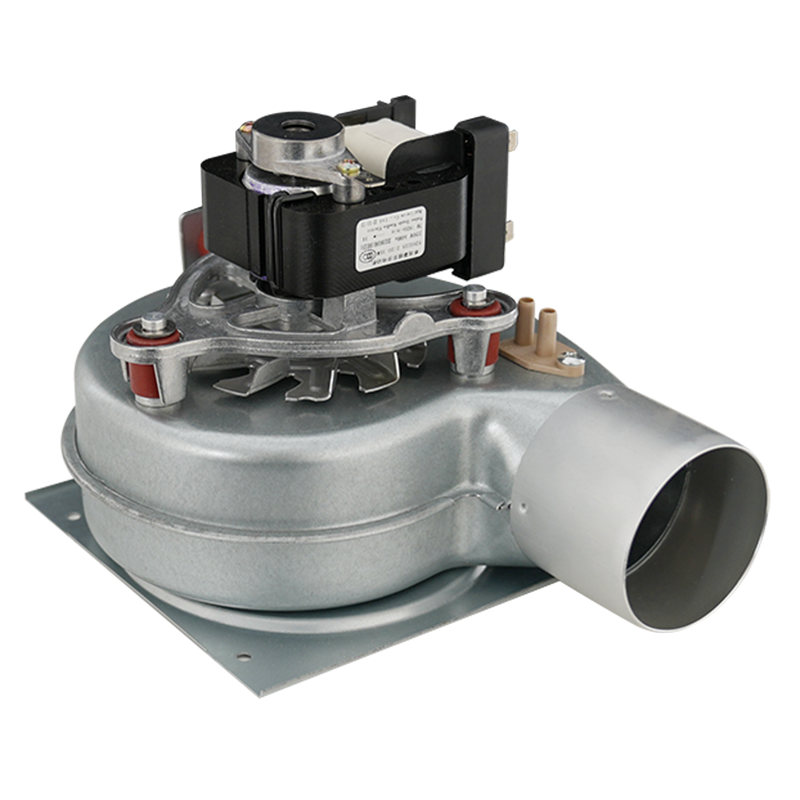
Selection Principles for Centrifugal Fans: The selection of centrifugal fans must adhere to a series of basic principles to ensure that the chosen fan meets system requirements and achieves optimal performance:
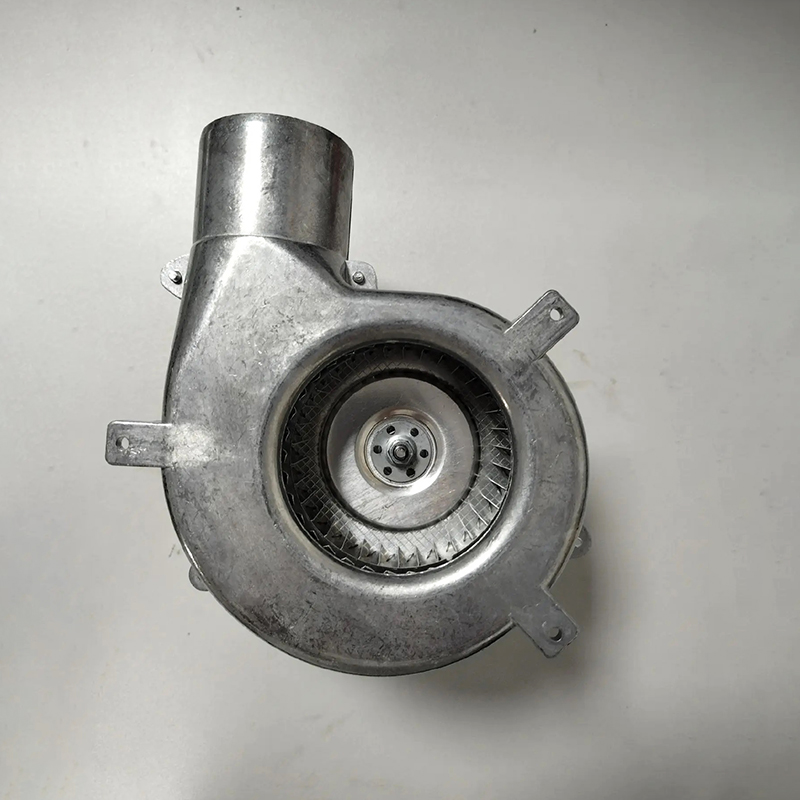
1) Design Requirements Principle: The selected fan must be able to provide the required flow rate and pressure for the system; this is the most basic requirement. A certain margin should be considered during selection, but excessive margin should be avoided to prevent energy waste.
2) High Efficiency and Energy Saving Principle: High-efficiency fans should be selected, and the operating point should be as close as possible to the point of maximum efficiency. Fan energy efficiency directly affects long-term operating costs. Although high-efficiency fans have a higher initial investment, they can significantly reduce life-cycle costs.
3) Reliability and Durability Principle: Appropriate materials and structural types should be selected based on operating conditions to ensure reliable operation within the expected lifespan of the fan. For special operating conditions, such as high temperatures, corrosive gases, or dusty gases, specialized centrifugal fans and blowers must be selected. 4) Centrifugal blower fan economic rationality principle: Considering both initial investment and operating costs, select the most economically efficient solution overall. The evaluation should consider the entire lifecycle costs, including equipment cost, installation cost, operating cost, and maintenance cost.
Preparatory work before selection: Before selecting a centrifugal blower, a series of preparatory work is required, including determining system parameters, analyzing operating conditions, and considering environmental factors:
1) Determine centrifugal blower system requirements parameters: Calculate the required maximum airflow (Q): Based on the system's ventilation requirements or process requirements, calculate the required maximum airflow.
2) Consider centrifugal blower safety margins: Airflow margin: Typically, a 10%-15% airflow margin is considered to cope with system load changes or design errors. Pressure margin: Typically, a 10%-20% pressure margin is considered to cope with system resistance changes or design errors.
3) Determine operating conditions: Gas properties: Including gas composition, temperature, humidity, density, corrosiveness, dust content, etc. Operating environment: including installation location, space constraints, ambient temperature, vibration requirements, etc. Blower centrifugal operating conditions: including operating time, start/stop frequency, and adjustment requirements, etc.
4) Determine the blower type: Based on the required air pressure and air volume range of the system, initially determine the blower centrifugal type (centrifugal, axial, or other types). Based on the gas properties and operating conditions, determine the blower material, structural type, and any special design requirements.