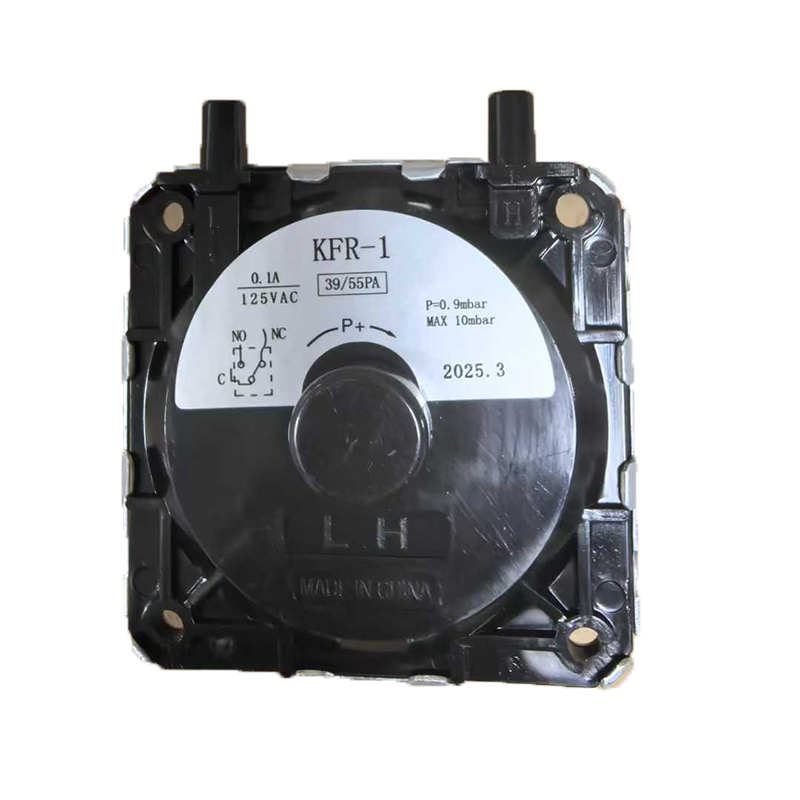

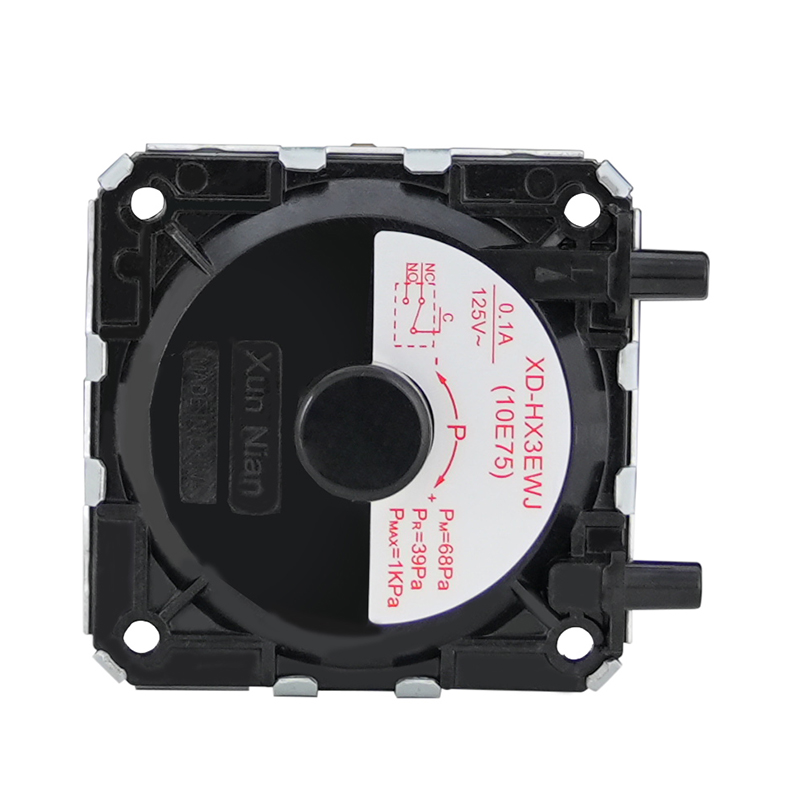
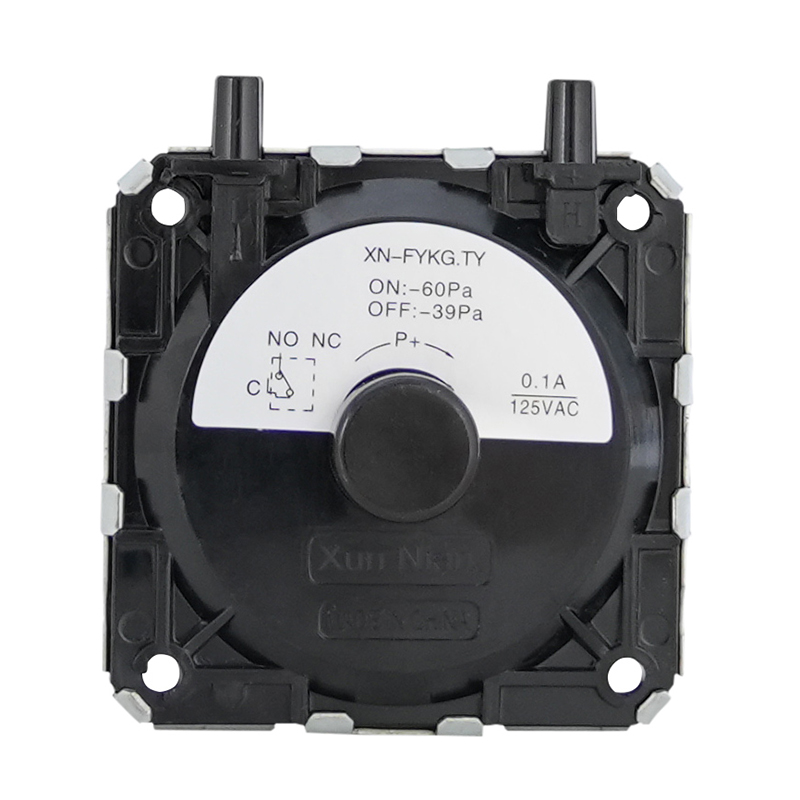
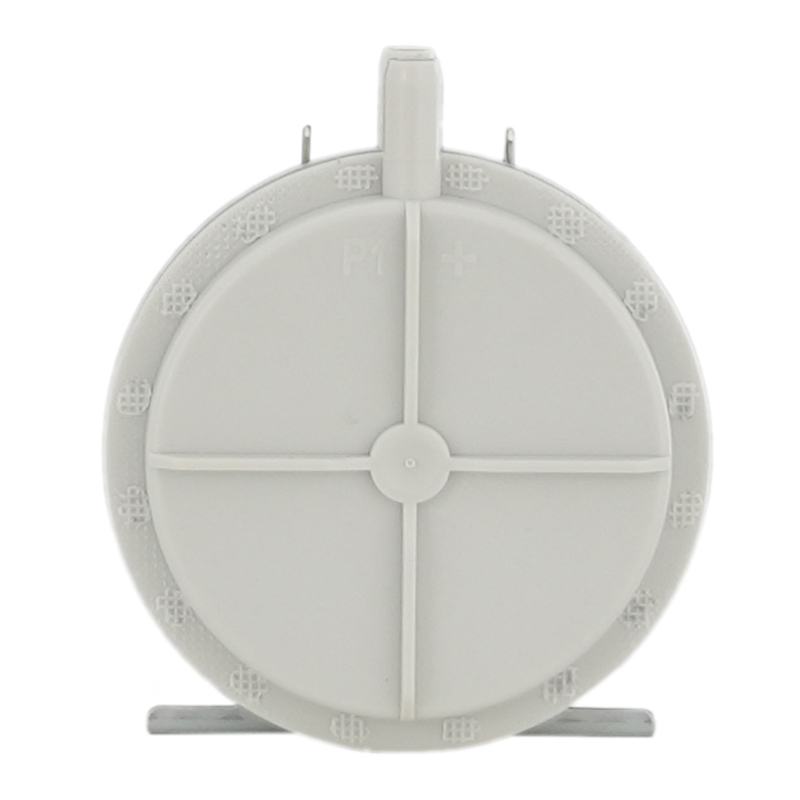
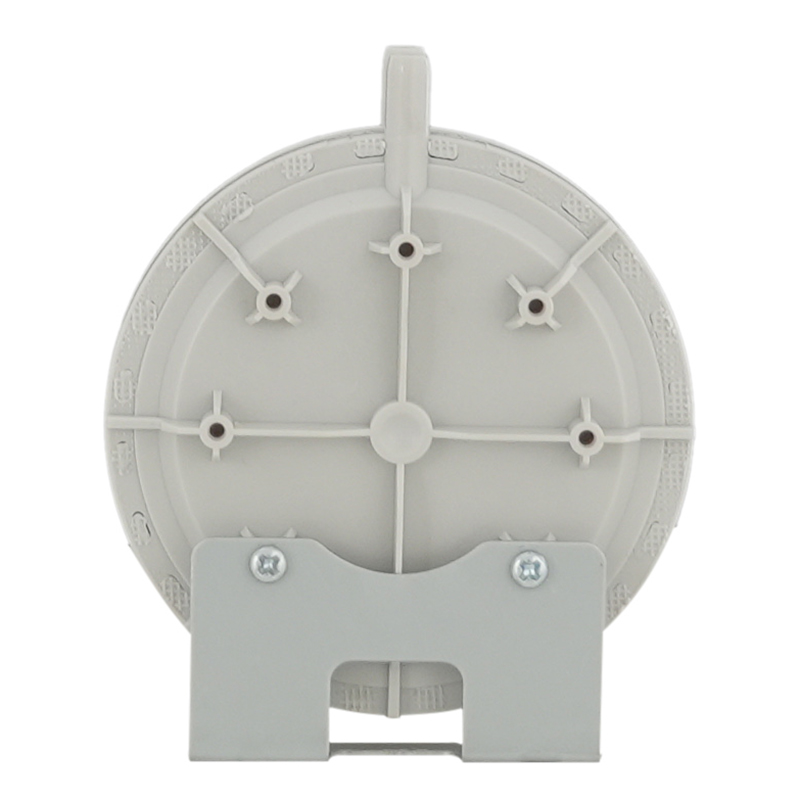
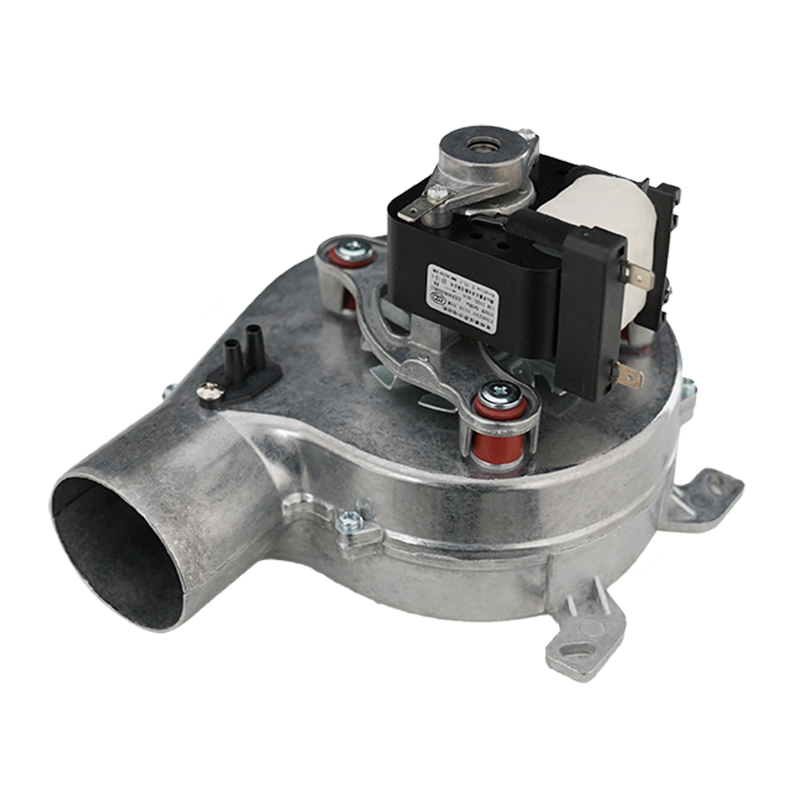
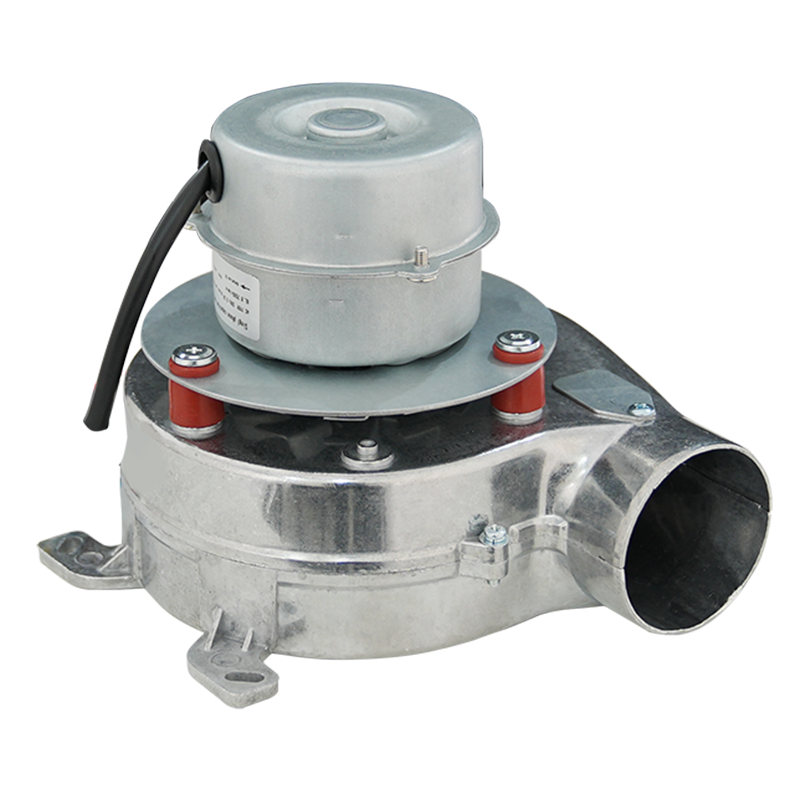
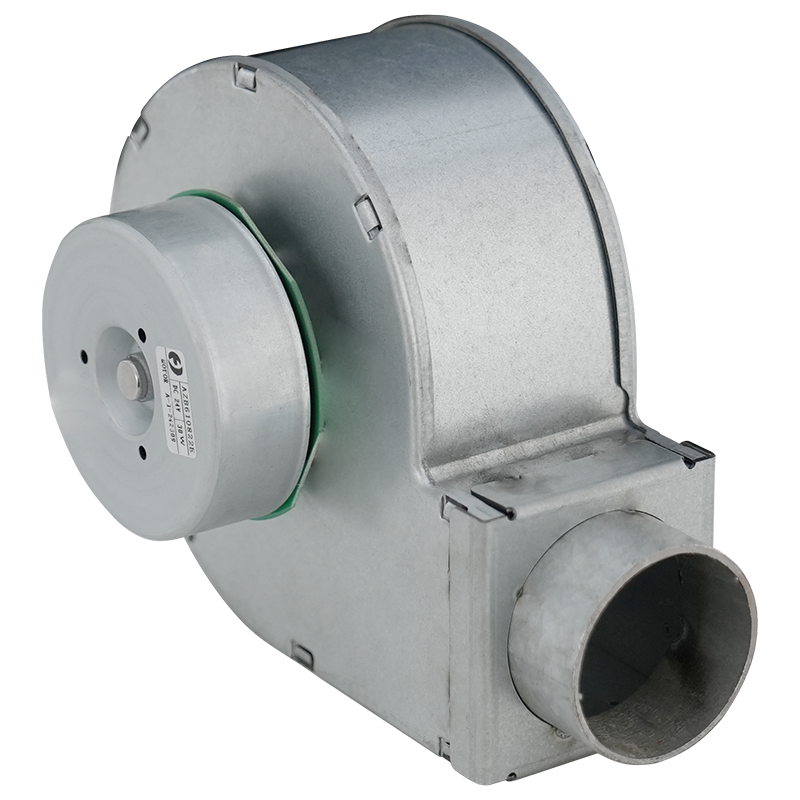
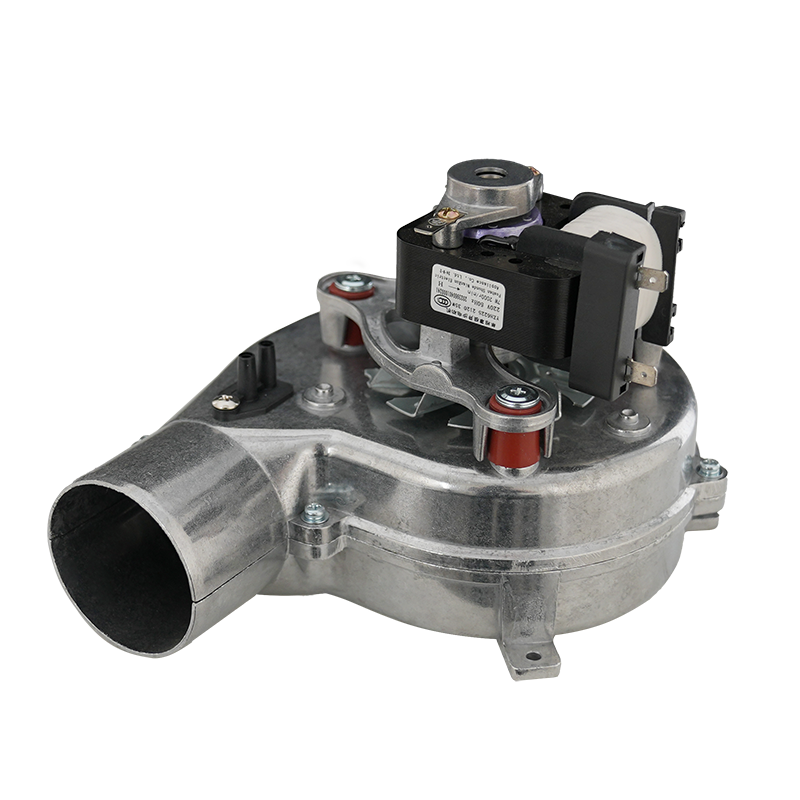
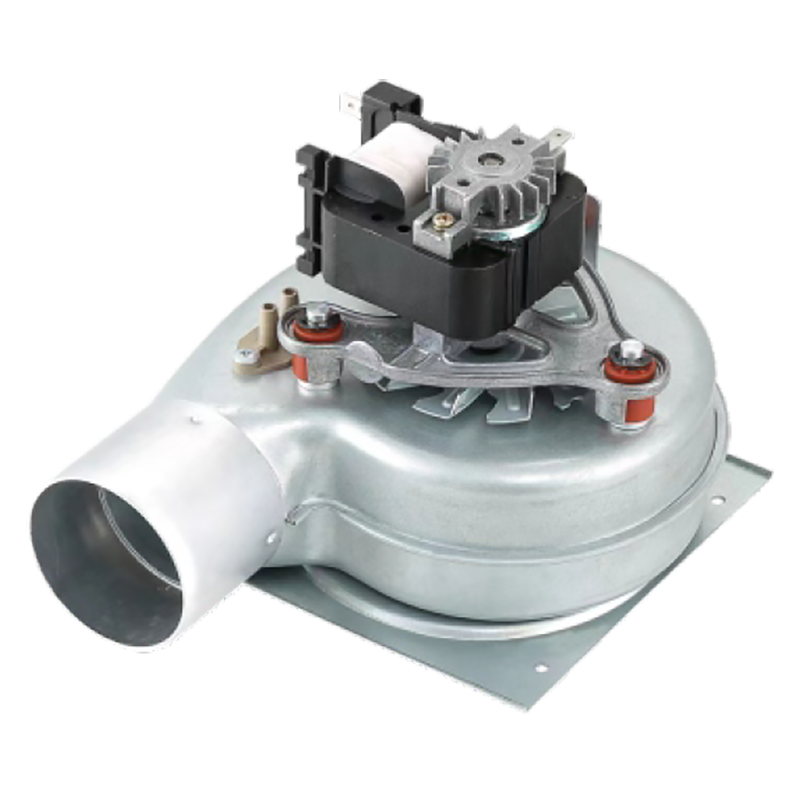
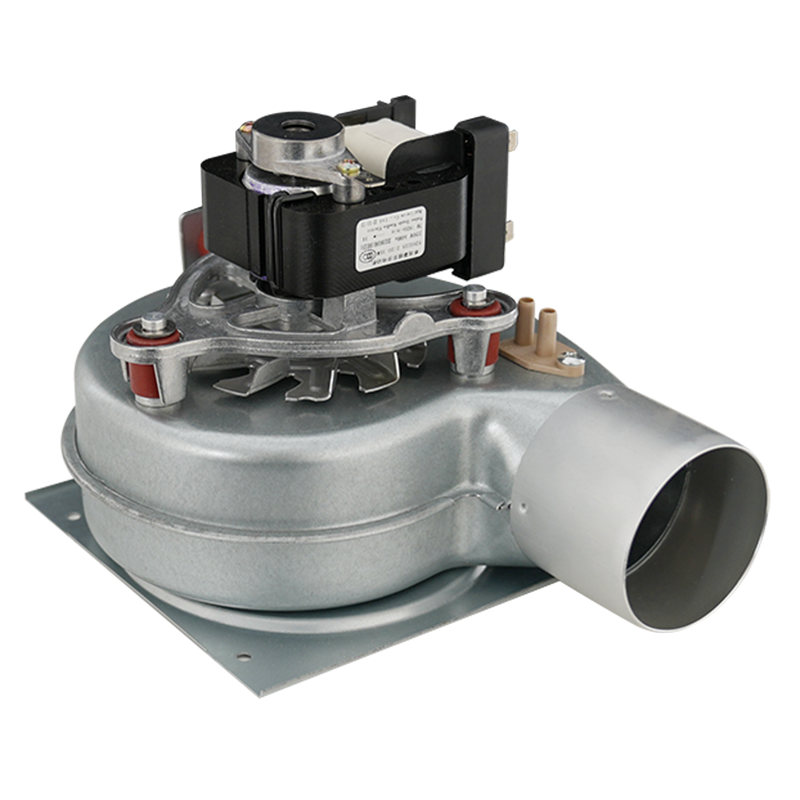
Common fault codes for water heater pressure switches are E3, E4, or E5. Disconnect the power, air, and water supply; remove the small air duct; unplug the microswitch standard socket connecting the circuit; unscrew the fixing screws; tighten the fixing screws; insert the microswitch connection socket; screw on the small air duct; connect the circuit and test the installation effect, etc.
Troubleshooting water heater pressure switches can be done in the following steps:
1. Visual Inspection: Check the hot water heater pressure switch casing for damage, cracks, or corrosion. If any are found, they may affect the performance of internal components and require immediate replacement.
Check the hot water heater pressure switch terminals for looseness, oxidation, or damage, ensuring a secure connection and good contact.
Check the pressure tap for blockage, leakage, or damage. Problems may cause inaccurate pressure transmission, affecting switch operation.
2. Pressure Test: Connect a precision pressure gauge to the hot water heater pressure switch's pressure port, slowly increase or decrease the pressure, and observe whether the pressure gauge reading matches the pressure switch's operating value.
If the hot water heater pressure switch does not operate at the set pressure value, it may be due to a problem with the hot water heater pressure.
3. Electrical Inspection: Use a multimeter to measure the contact continuity of the pressure switch. Under different pressures, the contacts should operate according to the set logic.
Check if the power supply to the pressure switch is normal and if the voltage is within the specified range. A power supply failure may cause the pressure switch to malfunction.
Functional Testing: Simulate actual working conditions and perform multiple operation tests on the hot water heater pressure switch. Observe whether its operation is sensitive and reliable, and whether there are any jamming or malfunctions.
If the hot water heater pressure switch exhibits abnormalities during the test, such as slow operation, frequent operation, or no operation, further investigation is needed to determine the cause of the fault.
4. Water Heater Pressure Switch Replacement Internal Inspection:
If the above checks of the air pressure switches still cannot determine the cause of the fault, the air pressure switch casing can be opened to check whether the internal elastic elements, microswitches, transmission mechanisms, etc., are damaged, deformed, or loose.
Damaged air pressure switch components should be replaced promptly; loose parts need to be tightened or adjusted.
During the troubleshooting of air pressure. During switch malfunction, safety precautions must be taken to avoid dangers such as electric shock and pressure leakage. If you are unfamiliar with the operation or cannot determine the cause of the malfunction, it is recommended to contact our professional repair personnel for assistance.