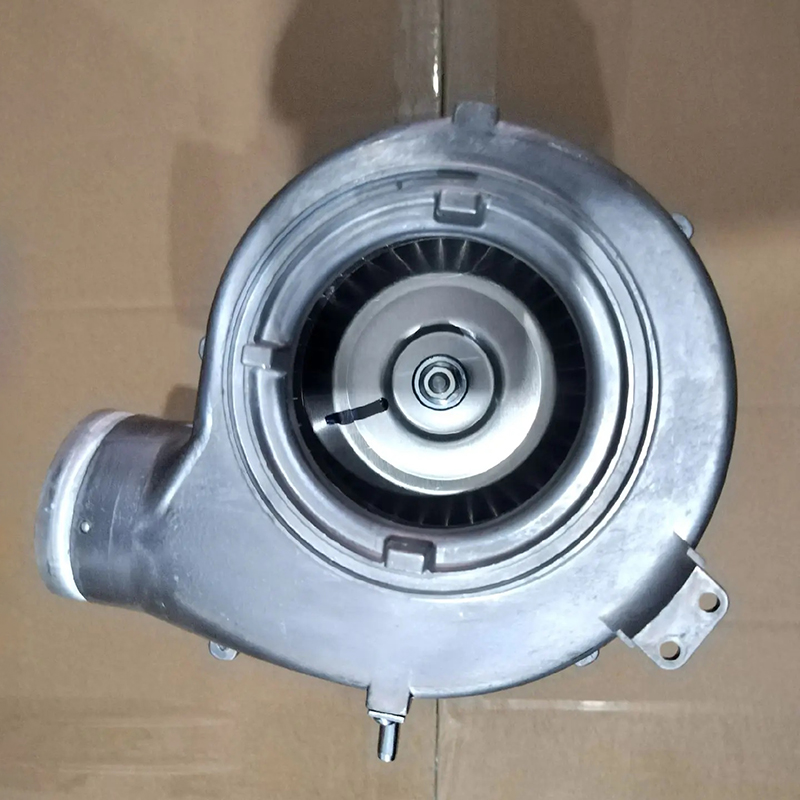

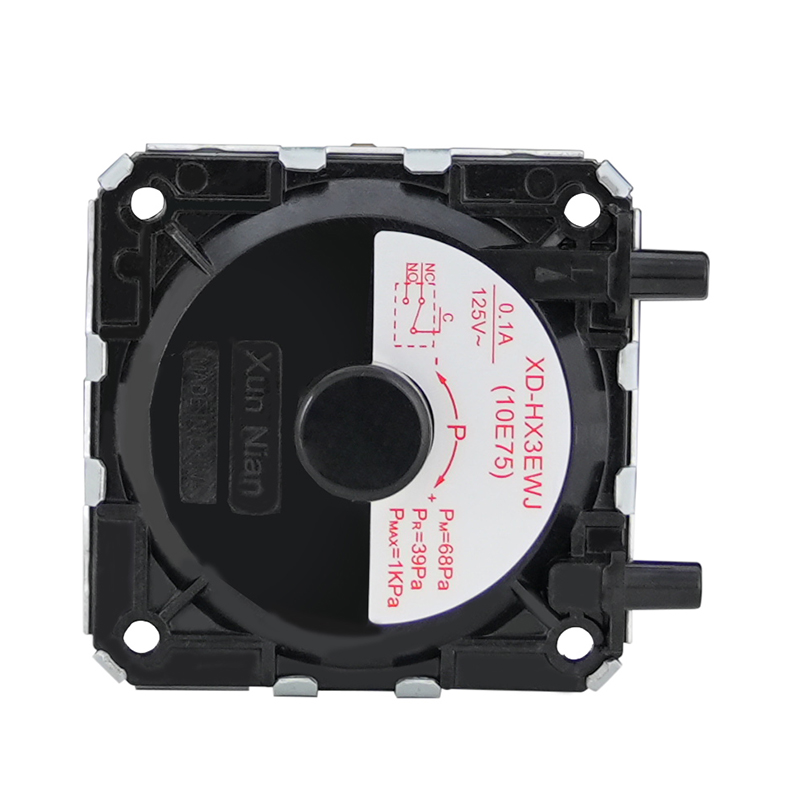
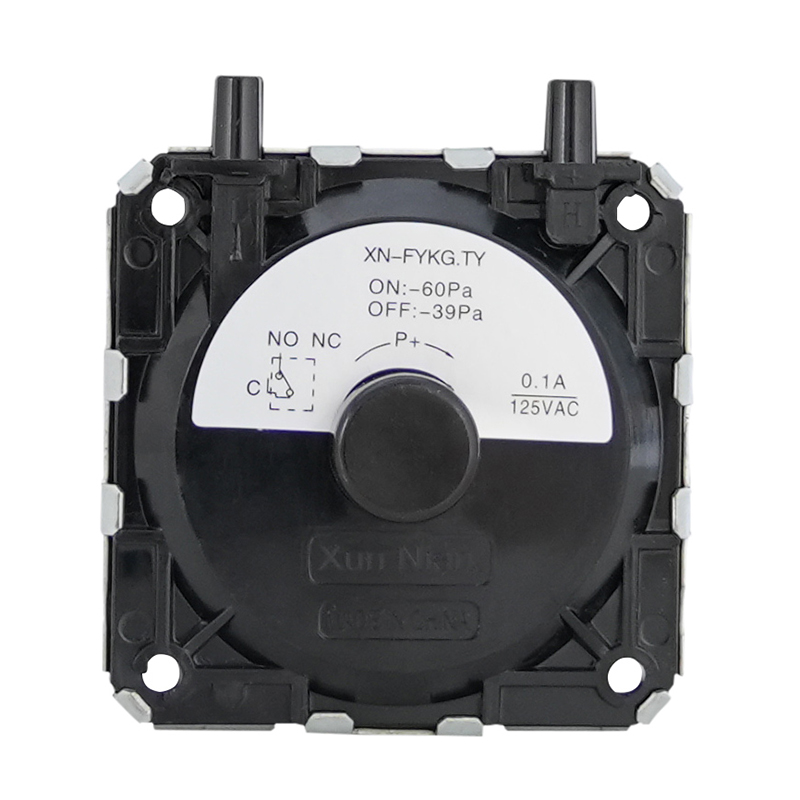
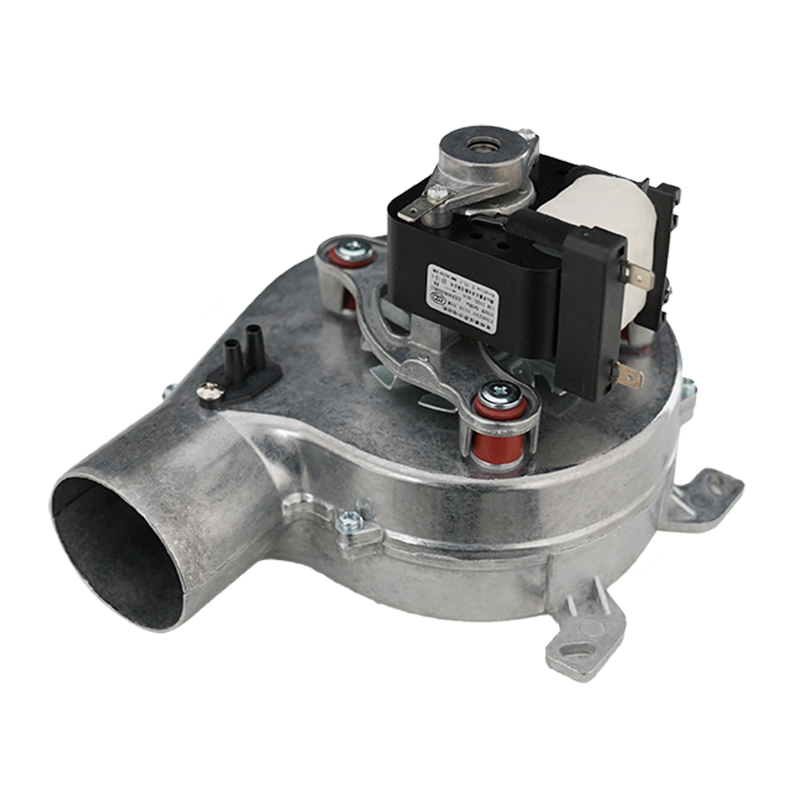
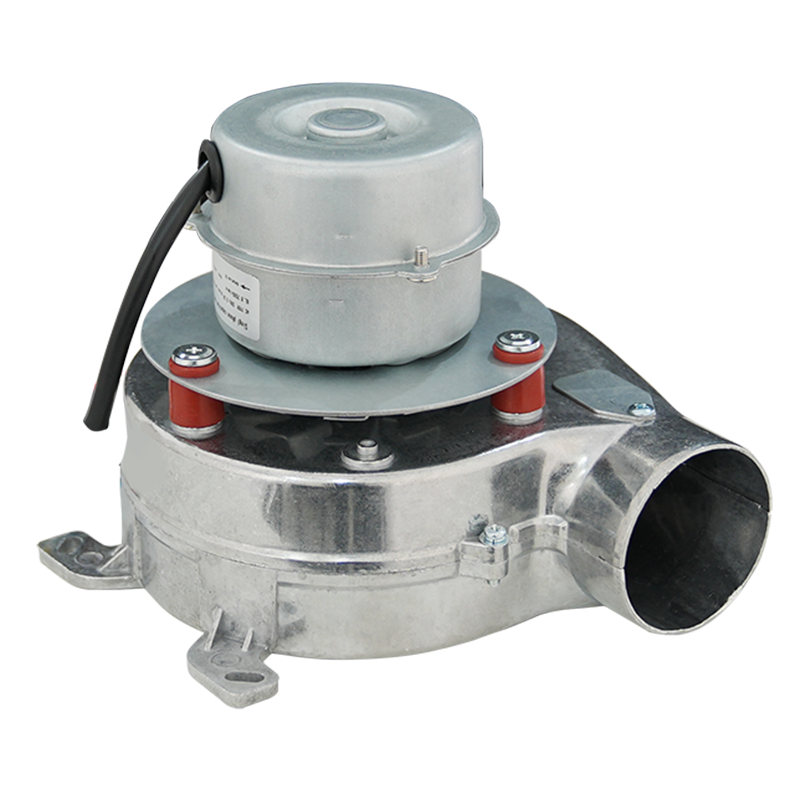
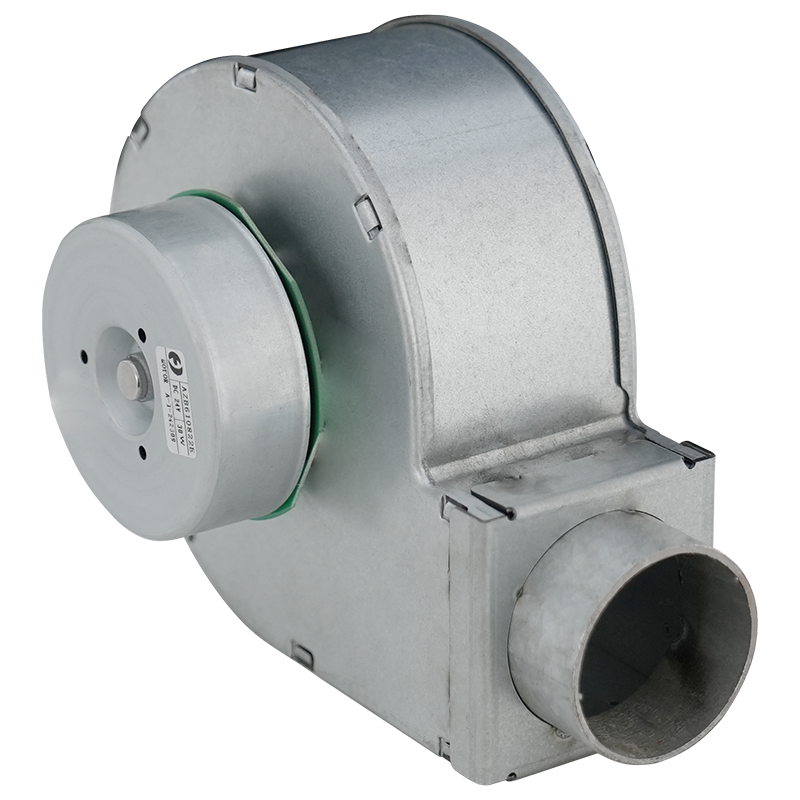
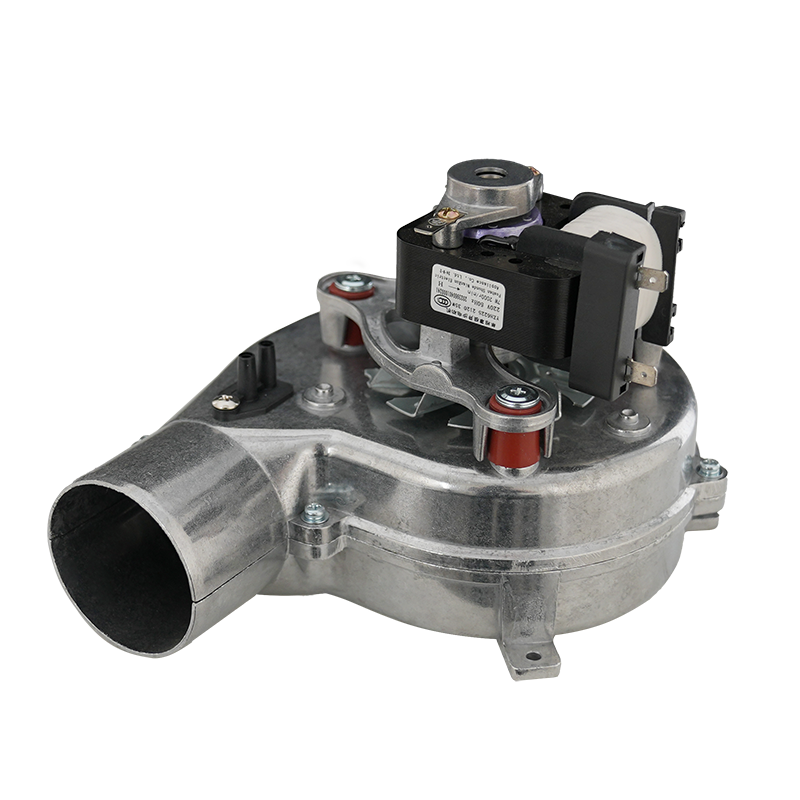
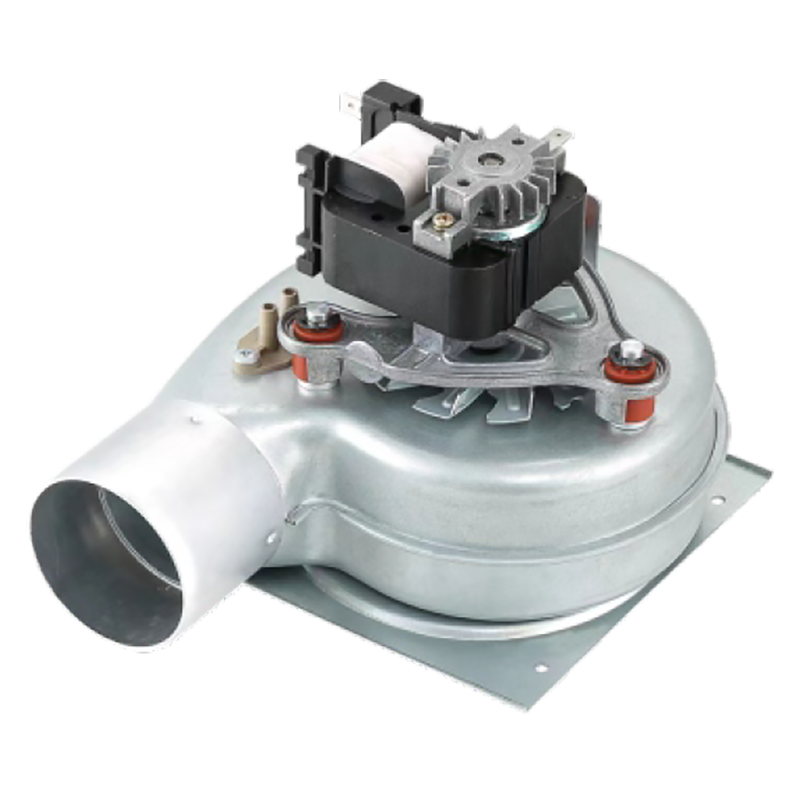
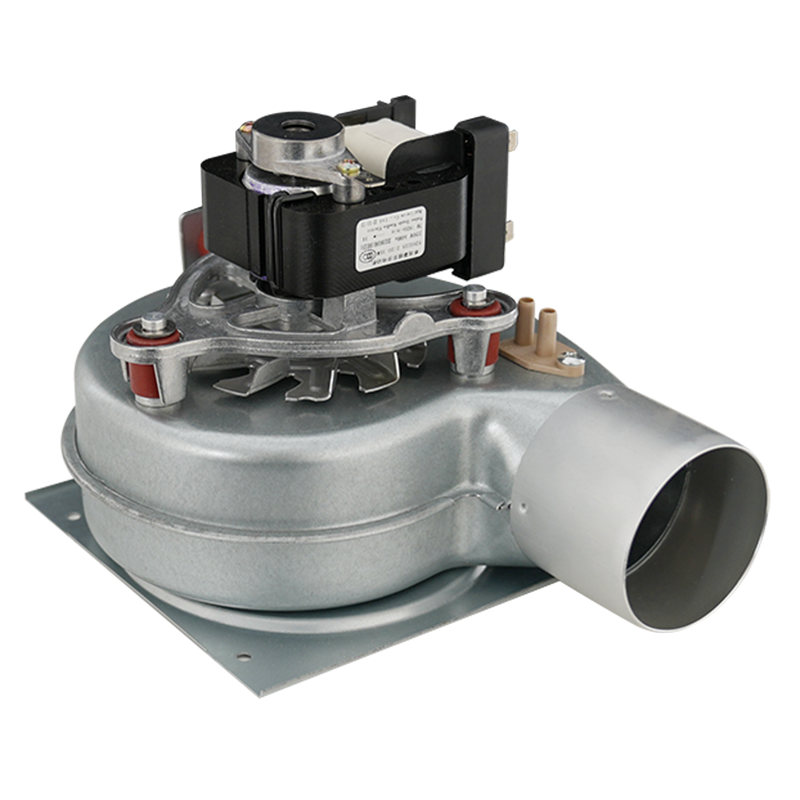
The performance of a centrifugal fan is determined by several key parameters, which have complex interrelationships:
1) Airflow (Q): The volume of gas transported by the fan per unit time, usually expressed in cubic meters per hour (m³/h) or cubic meters per second (m³/s). It is an important indicator of the fan's transport capacity.
2) Total Pressure (P): The difference between the total pressure at the fan outlet and inlet, measured in Pascals (Pa) or kilopascals (kPa). Total pressure is the sum of static and dynamic pressures, reflecting the fan's ability to overcome system resistance.
3) Static Pressure (Pst): The pressure characterized by the pressure energy of the gas, representing the pressure exerted by the gas on a unit area when it is at rest. It reflects the pressure generated by the motion of gas molecules.
4) Dynamic Pressure (Pd): The pressure generated by the velocity of the flowing gas, reflecting the pressure generated by the kinetic energy of the gas fluid. The formula for calculating dynamic pressure is: Pd = ρV²/2, where ρ is the gas density and V is the gas velocity.
5) Centrifugal blower fan power (N): The power required to drive the blower, measured in kilowatts (kW). Centrifugal fans and blowers are divided into effective power and shaft power. Effective power is the energy gained by the blower in transporting gas, while shaft power is the power input to the motor.
6) Centrifugal blower fan speed (n): The number of revolutions per minute (rpm) of the blower impeller. Speed directly affects the blower's airflow, air pressure, and power.
7) Centrifugal blower fan medium density (ρ): The mass per unit volume of gas, measured in kilograms per cubic meter (kg/m³). Medium density is affected by factors such as temperature and pressure, and has a significant impact on blower performance. 8) Blower fan temperature (T): The temperature of the gas, affecting its density, and consequently, the blower's air pressure and power.
9) System resistance (ΔP): The total resistance the blower must overcome during gas transport, including pipe friction resistance, local resistance, and equipment resistance. System resistance is proportional to the square of the air volume.