

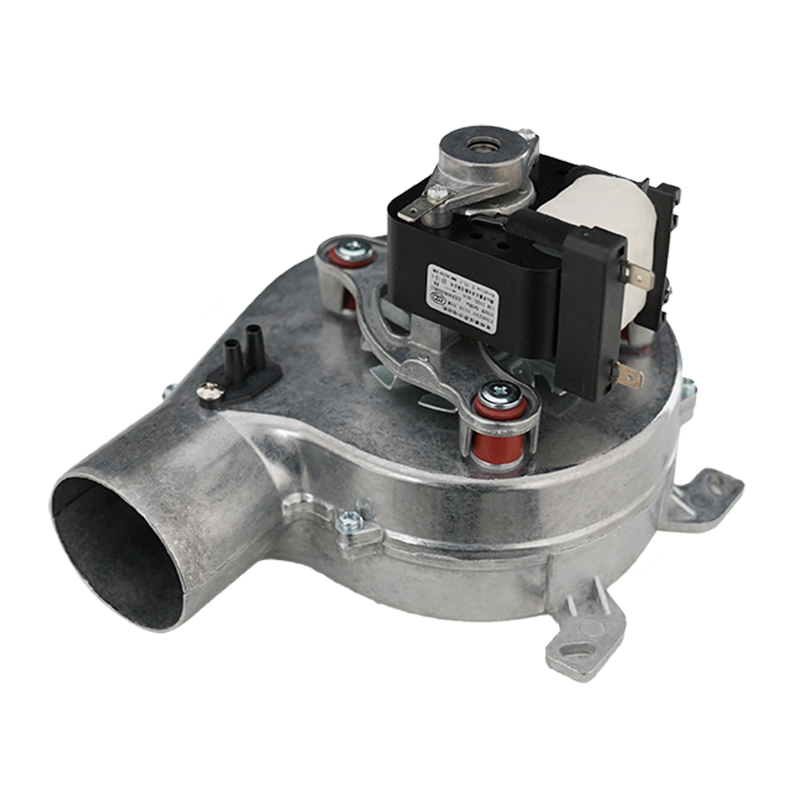
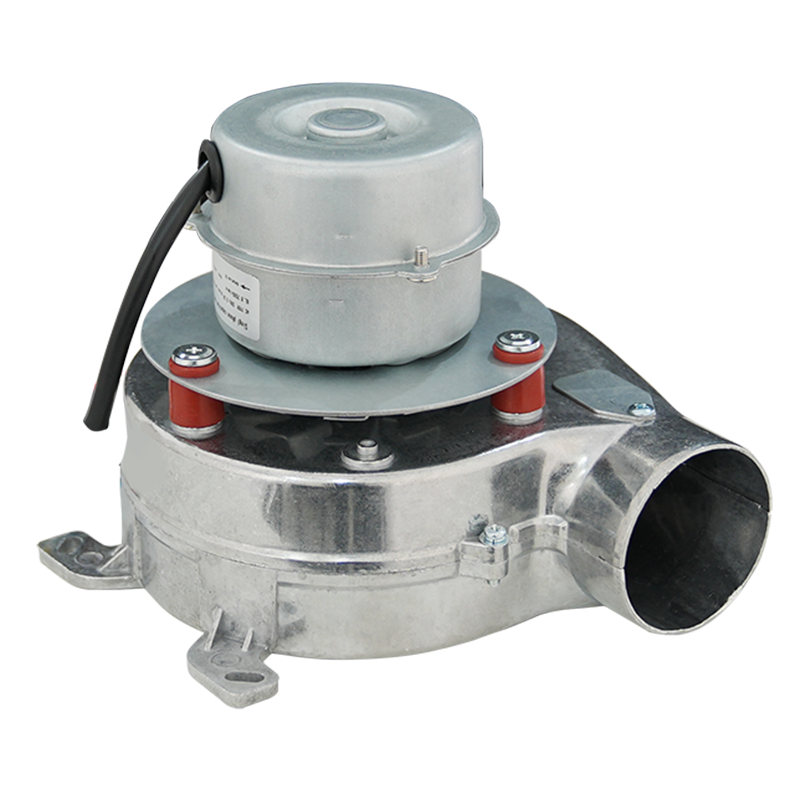
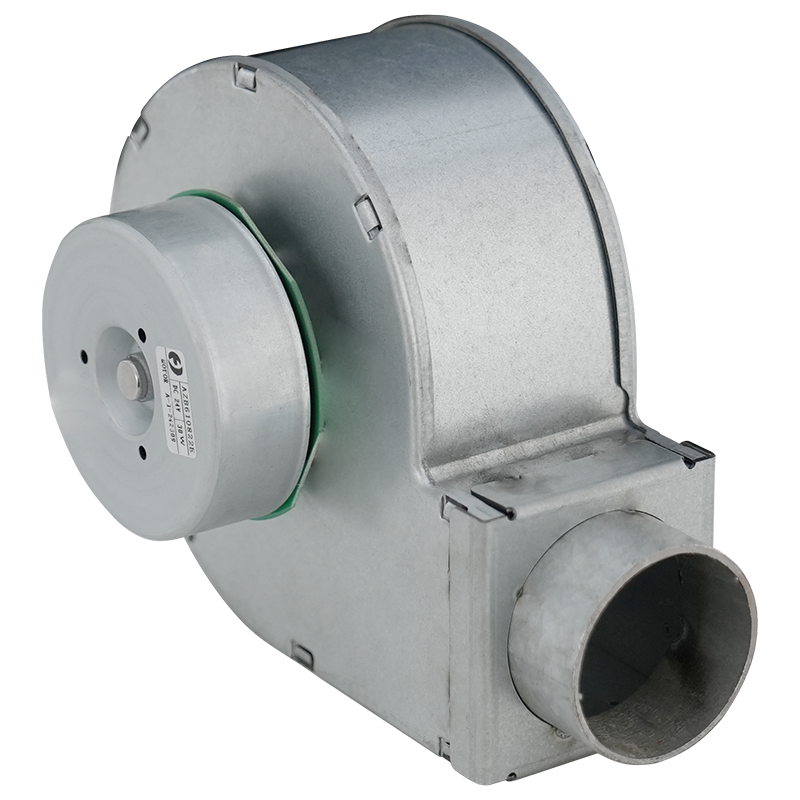
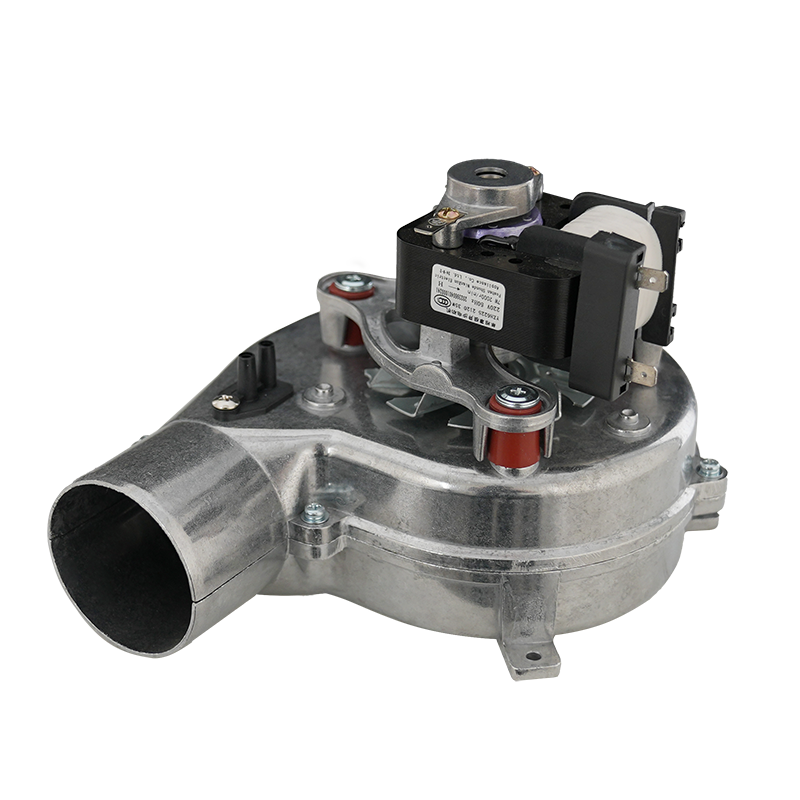
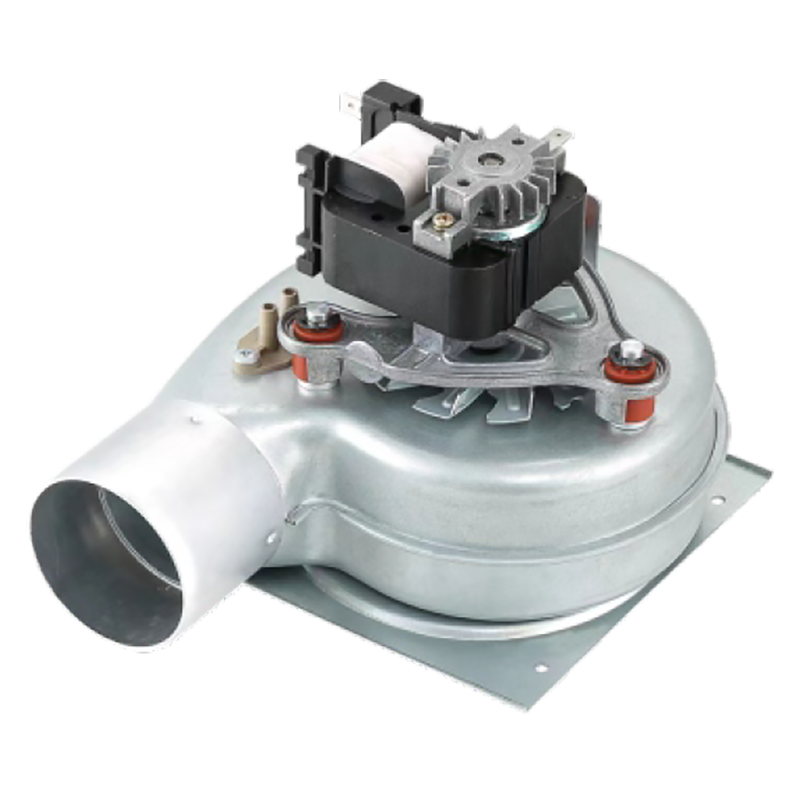
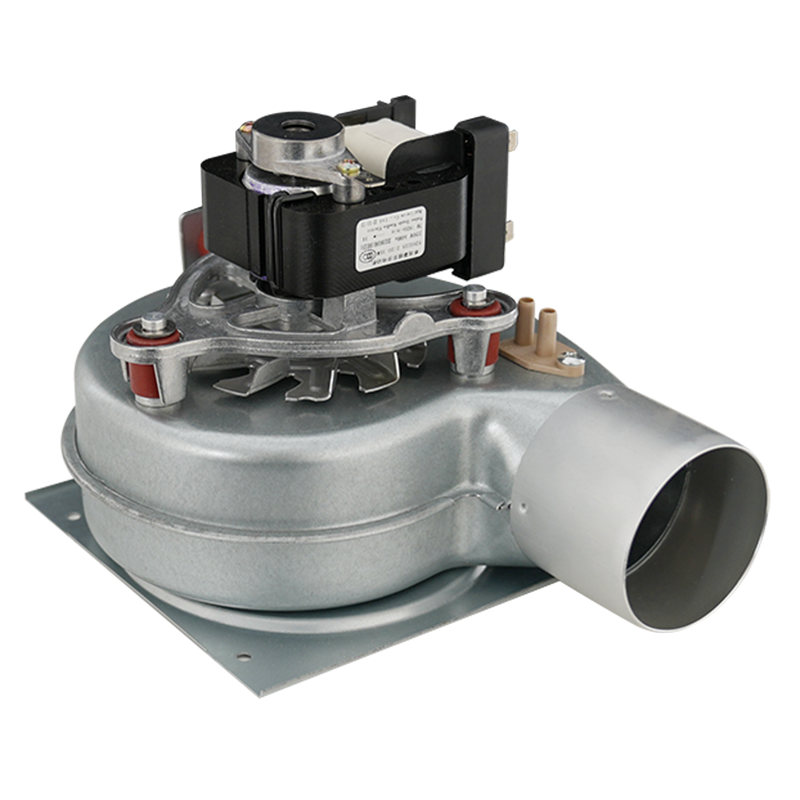
A boiler fan consists of forced draft fans, induced draft fans, and primary air fans. The following explains the function and working principle of a boiler fan:
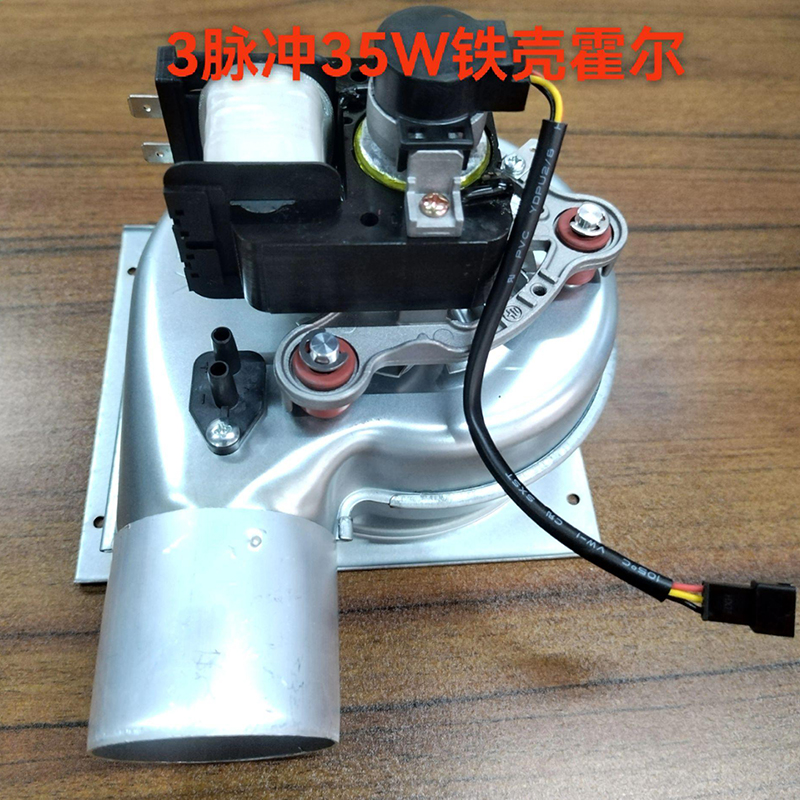
I. Centrifugal Blower Fan
① Function of centrifugal fans and blowers: To provide sufficient oxygen for fuel combustion in the boiler. It delivers heated air into the furnace and also provides the hot air needed for drying and transporting pulverized coal to the pulverizing system through the primary air fan and air preheater. Some air reaches the burner, forming perimeter air and sandwich air, affecting the burner flame and cooling the burner; some provides the oxygen required for combustion; and some provides SOFA and COFA air for adjusting combustion.
② Working principle of centrifugal fans and blowers: When the impeller of the centrifugal fans and blowers rotates, air is thrown out by centrifugal force, collects in the casing, slows down, and increases in pressure before flowing into the pipeline from the fan outlet. After air is expelled from the impeller of centrifugal fans and blowers, a vacuum is created at the center of the impeller. Outside air is then drawn into the impeller under atmospheric pressure. The impeller continues to rotate, achieving continuous air intake and exhaust.
II. Centrifugal Blower Fan
① Function of centrifugal blowers: To exhaust the flue gas after combustion in the furnace, maintaining stable pressure within the furnace. Maintaining a certain negative pressure within the furnace overcomes pressure losses in the tail flue (including those from dust collectors), creating flowing flue gas and completing heat exchange between the flue gas and air.
② Working principle of centrifugal blowers: The rotation of the centrifugal blower impeller generates negative pressure, drawing in outside air and transporting it through pipes. Gas enters the induced draft fan through the inlet. The rotating impeller compresses the gas, converting the mechanical energy of rotation into gas pressure energy and kinetic energy, which is then transported out through the outlet.
III. Centrifugal Blower Fan (Primary Air Fan)
① Centrifugal blower fan's function: Provides primary air for fuel combustion, transporting fuel (such as pulverized coal) to the furnace and aiding in rapid combustion within the furnace. Taking a medium-speed coal mill direct-fired pulverizing system as an example, hot primary air provides drying and ventilation output for the coal mill, carrying the pulverized coal into the boiler burner; cold primary air mixes with hot primary air at the coal mill inlet, regulating the inlet and outlet temperatures of the coal mill, which also contributes to ventilation output.
② Centrifugal blower fan's working principle: Taking a centrifugal primary air fan as an example, when the motor drives the impeller to rotate, the air rotates with the impeller and is thrown outwards by inertia, collecting in the spiral casing. As air flows through the spiral casing towards the exhaust port, its cross-section expands, its velocity decreases, and most of the dynamic pressure is converted into static pressure, finally being forced out of the exhaust port at a certain pressure. After the air is discharged from the blower centrifugal impeller, a vacuum is created at the center of the impeller. Outside air is drawn into the impeller under atmospheric pressure. The blower centrifugal impeller rotates continuously, achieving continuous air intake and exhaust.